

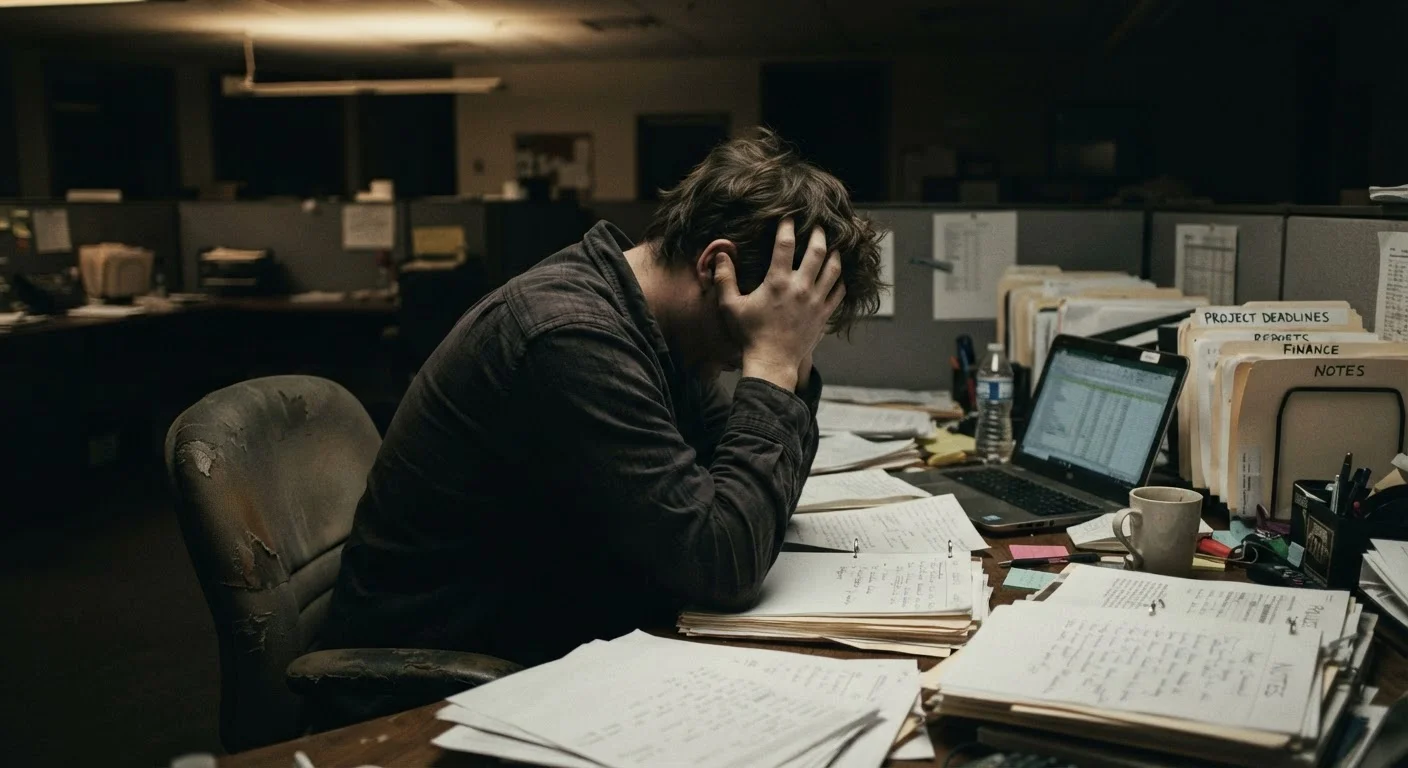
What the Research Actually Says About Stress and Recovery
There is a widely held belief that enduring stress stoically — heads down, pushing forward — is a marker of strength or productivity. The physiological evidence tells a different story. When the body's stress response is activated repeatedly without adequate recovery periods, cortisol and adrenaline remain chronically elevated, impairing immune function, disrupting sleep architecture, and accelerating inflammation. To understand the underlying mechanisms, see how stress triggers physiological changes in the body.
It's also worth noting that not all stress is identical. Short-term, manageable pressure and unrelenting long-term strain operate through different pathways with different consequences. The article on acute versus chronic stress explains why that distinction matters clinically. The mistakes outlined below are most damaging in the chronic category — where recovery is most consistently skipped.
77%
Adults reporting physical symptoms of stress
According to the American Psychological Association's Stress in America survey, a large majority of U.S. adults regularly experience physical symptoms they attribute to stress.
2–3×
Increased cardiovascular risk with chronic stress
Research published in peer-reviewed cardiology literature indicates that sustained psychological stress is associated with a significantly elevated risk of adverse cardiovascular events.
The Most Common Mistakes That Keep Stress Cycles Running
Many people manage stress with habits that feel productive or soothing in the moment but reinforce the very physiological state they're trying to escape. The following mistakes are among the most documented — and the most correctable.
Treating rest as a reward rather than a biological requirement.
Why it happens: Productivity culture frames rest as something earned after sufficient output, creating guilt around pausing before a task is finished.
Using busyness as a distraction from stress rather than addressing its source.
Why it happens: Staying occupied suppresses uncomfortable feelings in the short term, and high activity can feel like progress even when it isn't resolving the underlying pressure.
Sacrificing sleep to gain more hours for managing demands.
Why it happens: When time feels scarce, sleep is often the first thing cut because it appears unproductive and its costs are not immediately visible.
Relying on stimulants to sustain output while ignoring fatigue signals.
Why it happens: Caffeine and similar stimulants reliably blunt the perception of tiredness, making it easy to override the body's cues that rest is needed.
Confusing passive distraction with genuine rest.
Why it happens: Scrolling, streaming, and passive media consumption feel effortless, so they are commonly mistaken for recovery — but they maintain a low-grade state of cognitive arousal.
Masking Stress Is Not the Same as Managing It
Alcohol, excessive caffeine, compulsive scrolling, and overwork can temporarily suppress the sensation of stress without addressing its cause or allowing physiological recovery. Over time, these patterns tend to increase baseline arousal and can make the stress response harder to regulate. If these behaviors feel like your primary coping tools, that pattern itself is worth examining with a professional.
If you recognize several of these patterns in your own life, you're not alone — and awareness is the first functional step. For a broader look at everyday behaviors that quietly amplify stress, the guide on stress-worsening habits is worth reading alongside this article.
Building Recovery Into Daily Life — Without Overhauling Everything
Rest is not a passive absence of activity. For the nervous system, genuine recovery involves shifting from sympathetic (fight-or-flight) dominance to parasympathetic (rest-and-digest) activation. This requires intentional, repeated practice — not just one long weekend away. Brief pauses, consistent sleep timing, and deliberate non-productivity all contribute. Even in yoga practice, the restorative pause is physiologically significant; the piece on skipping rest in yoga illustrates how frequently this principle is undervalued.
The physical consequences of sustained stress extend well beyond mood. Headaches, digestive disruption, cardiovascular strain, and immune suppression are all documented pathways. How psychological pressure manifests in the body offers a detailed look at these mechanisms. And for those whose sleep has already been affected by prolonged stress, evidence-based guidance on restoring sleep after chronic stress provides a practical starting point for rebuilding restorative rest.
Finally, the cultural framing around resilience deserves scrutiny. The idea that strong people simply push through is one of the most persistent myths in mental wellness — and the evidence consistently contradicts it. What people get wrong about staying strong unpacks this directly.
This article is for general informational and educational purposes only and does not constitute medical advice. If you are experiencing persistent, severe, or worsening stress symptoms, please consult a qualified healthcare professional.
The content on this site is for informational purposes only and is not a substitute for professional advice. Always consult a qualified professional for guidance specific to your situation.