

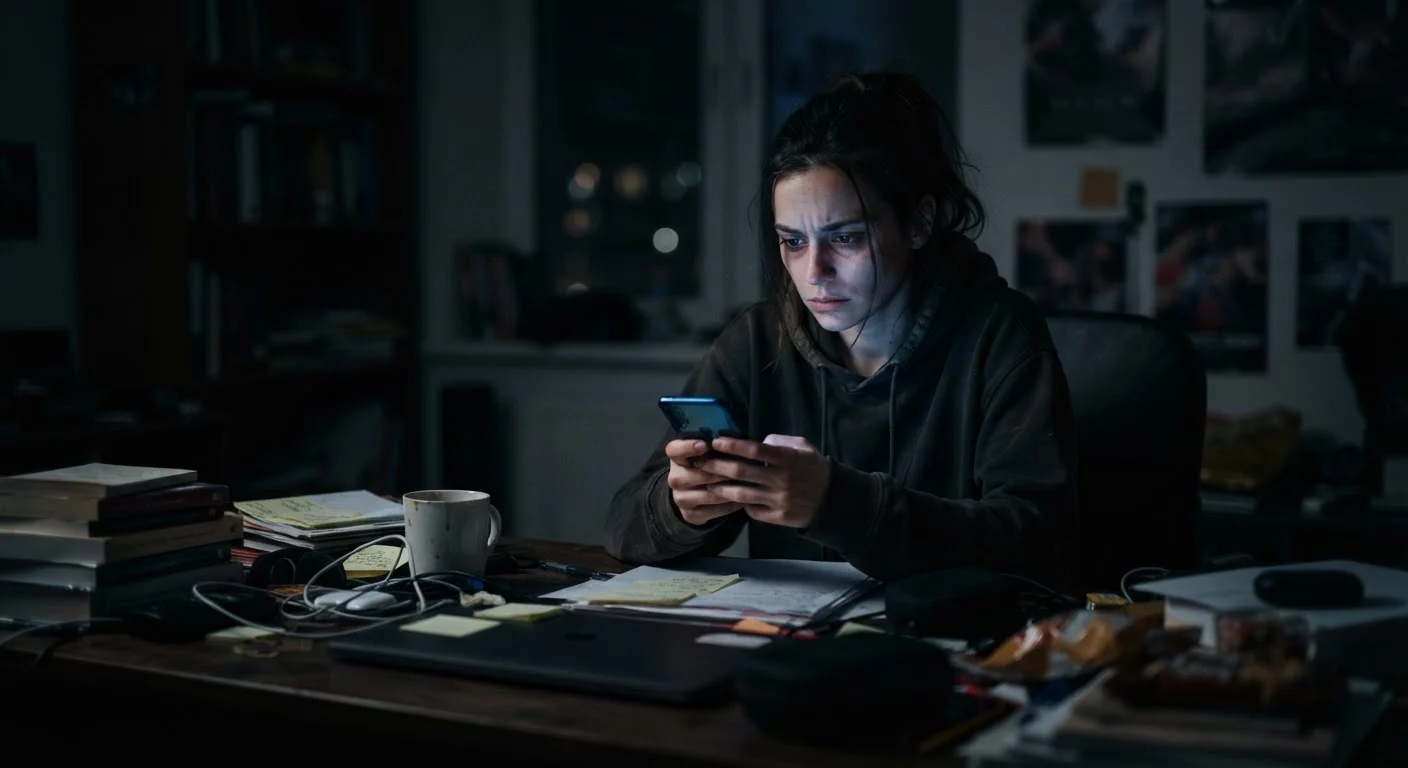
Why the Habits That Feel Soothing Can Backfire
When stress builds, most people reach for something familiar — scrolling social media, venting to anyone who will listen, pouring a glass of wine to unwind. These behaviours feel like relief. Physiologically, though, many of them keep the body's stress-response system running long after the original stressor has passed.
Understanding what stress does inside your body helps explain why this happens. The sympathetic nervous system — responsible for the "fight or flight" state — doesn't distinguish between a genuine threat and a habitual behaviour that signals danger. If your habits are quietly telling your nervous system to stay alert, cortisol levels can remain elevated even during downtime.
The mistakes below aren't character flaws. They're common, understandable patterns — and once you can see them clearly, you have real options for changing them. Use the weekly stress-check inventory to track which of these may be showing up in your own week.
Venting without resolution — replaying stressful events at length without moving toward problem-solving or closure.
Why it happens: Talking about problems feels productive and validating, making it easy to mistake repetition for processing.
Using passive screen time as a default wind-down, particularly in the hour before sleep.
Why it happens: Screens feel passive and effortless after a draining day, creating the illusion of rest while actually keeping the mind stimulated.
Skipping movement entirely when feeling overwhelmed, reasoning that there's no time or energy.
Why it happens: Stress depletes motivation, making exercise feel like one more demand rather than a resource. The cognitive load of stress narrows our sense of what's possible.
Relying on caffeine to push through fatigue rather than addressing the underlying tiredness.
Why it happens: Caffeine provides a fast, socially acceptable energy boost, and the connection between caffeine intake and elevated anxiety often goes unrecognised.
Chronic busyness used as emotional avoidance — staying perpetually occupied to avoid sitting with uncomfortable feelings.
Why it happens: Productivity feels virtuous, and many people have learned that staying busy keeps distress temporarily at bay. The relief is real, but short-lived.
Treating weekends or days off as catch-up sessions for unfinished work rather than genuine recovery time.
Why it happens: Guilt about unfinished tasks, combined with the belief that "just a little more" work will create relief, makes it hard to fully disengage.
Shifting Away From Stress-Amplifying Patterns
Breaking these habits isn't about willpower — it's about designing your environment and routines so that the nervous-system-calming choice becomes the easier one. Note that many of these patterns also silently disrupt sleep; if that resonates, explore how daily habits undermine sleep quality for a complementary perspective.
Avoid Swapping One Escape for Another
It can be tempting to replace a recognised stress habit — like excessive scrolling — with something that seems healthier but still functions as avoidance, such as overexercising or compulsive cleaning. The goal is regulation, not substitution. If you notice that a new behaviour is being used to escape rather than restore, it may be worth exploring with a mental health professional.
Sustainable change rarely comes from tackling everything at once. Research on habit formation consistently shows that small, consistent adjustments compound over time far more effectively than short-lived intensive efforts. Once you've identified one or two patterns from the list above that feel most familiar, consider building a structured approach using practical daily stress-management principles that fit a real-life schedule.
If stress feels persistent or unmanageable despite lifestyle changes, please speak with a qualified healthcare professional. This article is general health information and is not a substitute for personalised medical or psychological care.
This article is for informational purposes only and does not constitute medical advice. Always consult a qualified healthcare professional for concerns about your mental or physical health.
~33%
Adults reporting extreme stress levels
The American Psychological Association's annual Stress in America surveys have consistently found that roughly a third of U.S. adults report experiencing extreme stress.
10 min
Minimum walk duration linked to mood benefits
Multiple studies, including research published in the journal Emotion, suggest even brief walks can meaningfully reduce negative affect and perceived stress.
The content on this site is for informational purposes only and is not a substitute for professional advice. Always consult a qualified professional for guidance specific to your situation.