

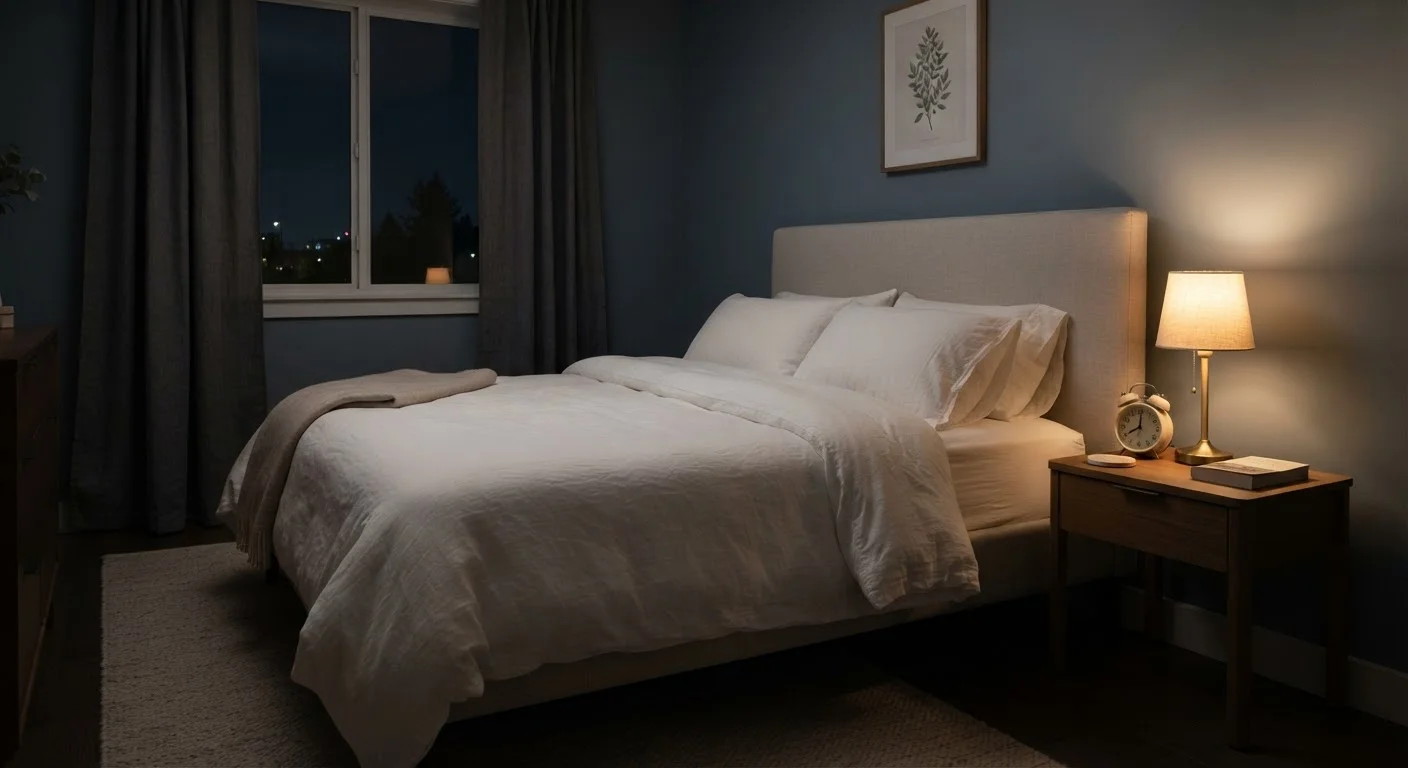
Why Sleep Hygiene Deserves More Than a Checklist
The phrase "sleep hygiene" has become so commonplace that it risks being dismissed as obvious advice. But the habits grouped under this label are supported by a meaningful body of research, and — critically — they tend to work best when applied consistently as a system rather than cherry-picked in isolation. This article focuses on the habits most reliably linked to better rest, explains why each one works, and separates the well-evidenced from the overhyped.
If you've struggled to implement sleep advice before, it may be worth considering that sporadic effort rarely produces lasting change. The evidence points clearly toward consistency as the defining factor. For those dealing with persistent insomnia rather than occasional poor nights, structured approaches beyond basic hygiene may offer more substantive relief.
This article is for general informational purposes only and does not constitute medical advice. Consult a qualified healthcare professional for personal health concerns.
The Habits With the Strongest Evidence
Not every piece of sleep advice carries equal weight. The following practices are those most consistently supported by research into sleep architecture, circadian biology, and behavioral interventions.
Anchor your schedule with a fixed wake time, seven days a week.
Your circadian rhythm — the internal clock governing sleep and wakefulness — is most strongly entrained by a consistent wake time. Irregular wake times, especially sleeping in on weekends, shift your internal clock in ways that can produce what researchers have called 'social jet lag,' impairing alertness and mood during the week.
Get natural light exposure within the first hour of waking.
Morning light is the primary external signal that resets the circadian clock each day. Exposure to natural daylight — even on overcast days — suppresses residual melatonin, boosts alertness-promoting signals, and sets a timer that determines when your body will produce melatonin again roughly 14–16 hours later.
Limit caffeine consumption to the earlier part of the day.
Caffeine works by blocking adenosine receptors — the same receptors that accumulate sleepiness-promoting signals throughout the day. With an average half-life of around five to six hours, caffeine consumed in the afternoon can still be substantially active at bedtime, reducing sleep depth even when it doesn't prevent sleep onset.
Dim artificial lighting and reduce blue-spectrum light exposure in the two hours before bed.
Short-wavelength blue light — emitted by phones, tablets, and overhead LEDs — is particularly potent at suppressing melatonin production. The timing of melatonin onset is one of the primary regulators of sleep readiness, and repeated evening light exposure can shift its release later, compressing sleep opportunity.
Use your bed primarily for sleep, not waking activities.
This principle, sometimes called stimulus control, draws on the psychology of conditioned associations. When you regularly work, watch content, or scroll in bed, your brain learns to associate that environment with alertness rather than sleep. Over time this erodes the cue-response relationship between lying down and falling asleep.
Keep your sleep environment cool, dark, and quiet.
Core body temperature naturally drops as part of sleep initiation, and a cooler room supports this process. Even low-level light exposure during sleep can suppress melatonin and fragment sleep architecture. Noise, particularly unpredictable sounds, increases sleep-stage transitions and reduces restorative slow-wave sleep.
“Sleep is not the absence of wakefulness — it is an active, regulated biological process with consequences for virtually every system in the body. The habits we build around it are among the most powerful levers we have for long-term health.”
— Matthew Walker, Professor of Neuroscience and Psychology, University of California, Berkeley; author on sleep science
Start Here: Quick Actions That Can Shift Your Sleep Tonight
While building lasting sleep habits takes time, some changes can have a meaningful effect quickly. The actions below are low-effort, low-risk, and grounded in the same principles as the longer-term practices above. If you're also curious about what's working against your sleep, everyday routines that disrupt rest covers the overlooked behaviors most likely to interfere.
Building the Right Environment and Evening Context
Sleep hygiene doesn't end with behavior — your physical environment plays a direct role. Temperature, light, and sound each influence how quickly you fall asleep and how deeply you stay asleep. A sleep-friendly bedroom setup is a practical complement to behavioral habits, not a separate concern.
On the behavioral side, your evening routine matters as a transition signal to your nervous system. Evidence-informed evening rituals — such as reducing overhead lighting, avoiding stimulating content, and consistent wind-down timing — reinforce the biological cues that initiate sleep. Some people also explore herbs studied for sleep support, though the evidence for most remains preliminary and individual responses vary. And for readers interested in a mind-body approach, consistent meditation practice has been associated with measurable improvements in sleep quality in several studies.
~35%
U.S. adults sleeping less than 7 hours nightly
According to CDC surveillance data, roughly one in three American adults reports regularly getting less than the recommended minimum of seven hours of sleep per night.
5–6 hrs
Average caffeine half-life in adults
Pharmacological research consistently documents a caffeine half-life of approximately five to six hours in healthy adults, meaning afternoon consumption can meaningfully affect nighttime sleep architecture.
~14–16 hrs
Delay between morning light and melatonin onset
Circadian biology research indicates that morning light exposure sets a timer of roughly 14–16 hours before melatonin production begins that evening, underscoring the importance of consistent daytime light habits.
Finally, common sleep myths — like the idea that catching up on weekends fully restores lost rest — can quietly undermine even well-intentioned habits. Understanding what the evidence actually says is part of practicing sleep hygiene effectively.
The content on this site is for informational purposes only and is not a substitute for professional advice. Always consult a qualified professional for guidance specific to your situation.