

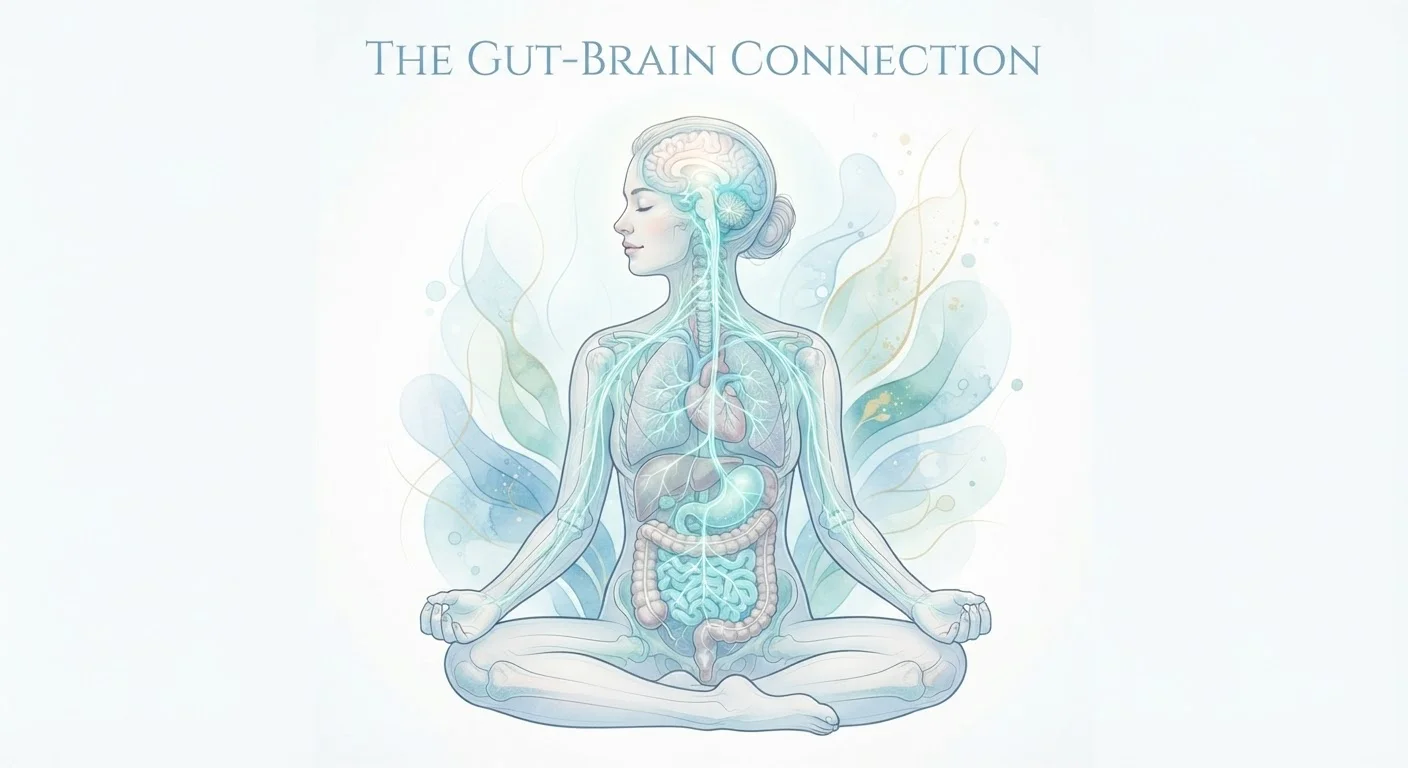
More Than a Metaphor: How Stress Reaches the Gut
The phrase "gut feeling" is more literal than most people realize. When the brain perceives a threat — whether it's a looming work deadline or an unresolved conflict — it activates the hypothalamic-pituitary-adrenal (HPA) axis, flooding the body with cortisol and triggering the sympathetic nervous system's fight-or-flight response. The gut, densely wired with over 100 million nerve cells in its own enteric nervous system, receives these signals immediately.
Under acute stress, digestion is deprioritized — blood flow diverts away from the intestines, motility speeds up or slows unpredictably, and the gut's mucus layer thins. For a short-term emergency, this is adaptive. But when stress persists — as explored in our article on the distinction between acute and chronic stress — these same mechanisms become disruptive rather than protective.
Chronic cortisol elevation loosens the tight junctions between intestinal cells, a phenomenon researchers call increased intestinal permeability or, colloquially, "leaky gut." This allows microbial products to cross the gut lining and interact with the immune system, potentially sustaining low-grade systemic inflammation. The link between stress-driven inflammation and physical pain is one downstream consequence of this process.
The Microbiome as a Third Party in the Conversation
The roughly 38 trillion microorganisms inhabiting the human gut are not passive bystanders in the stress response — they are active participants. Certain gut bacteria produce neurotransmitters including serotonin precursors, gamma-aminobutyric acid (GABA), and short-chain fatty acids that influence brain function directly. Approximately 90% of the body's serotonin is synthesized in the gut, underscoring how profoundly the microbiome shapes mood and stress reactivity.
Chronic stress shifts microbial community composition — a state called dysbiosis — reducing populations of protective bacteria such as Lactobacillus and Bifidobacterium species while allowing opportunistic strains to proliferate. This imbalance impairs the microbiome's ability to produce those mood-supporting metabolites, which in turn can amplify the brain's stress response. The result is a reinforcing loop: stress disrupts the microbiome, and the disrupted microbiome makes stress harder to regulate.
~90%
Of body's serotonin produced in the gut
Widely cited in neurogastroenterology literature, highlighting the gut's central role in mood-regulating neurotransmitter synthesis.
70–80%
Of immune tissue located in the gut lining
Reflects estimates from immunology research on gut-associated lymphoid tissue (GALT), underscoring the gut-immune relationship.
80–90%
Of vagus nerve fibers carry signals gut-to-brain
Neuroanatomical research on vagal afferent fibers demonstrates that the gut sends far more information upward to the brain than it receives.
Understanding this feedback cycle helps explain why gut health may influence everyday anxiety — and why interventions targeting only one system often produce limited results.
Natural Strategies to Support Both Systems
Given the bidirectional nature of the gut-brain axis, meaningful support requires approaches that address both sides simultaneously. Several evidence-informed lifestyle strategies appear consistently in research on gut-immune and stress resilience.
Dietary Patterns
A fiber-rich diet fuels the production of short-chain fatty acids by gut bacteria, which help maintain the intestinal lining and modulate immune activity. Fermented foods — such as yogurt, kefir, kimchi, and tempeh — introduce live microbial cultures that may help replenish beneficial populations. Our companion piece on foods that support stress resilience reviews the nutritional mechanisms in more detail.
Start Small With Fermented Foods
If your current diet includes few fermented foods, introduce them gradually — a few tablespoons of plain yogurt or a small serving of kimchi — to allow your gut microbiome time to adapt. Rapid large increases in fermentable fiber or live cultures can temporarily cause bloating. People with immune conditions or who are immunocompromised should consult a healthcare provider before adding fermented products.
Mind-Body Practices
Diaphragmatic breathing, mindfulness meditation, and yoga activate the parasympathetic nervous system — the physiological counterweight to fight-or-flight — via the vagus nerve. Research indicates these practices can reduce cortisol output and improve markers of gut barrier function, making them among the most accessible tools for interrupting the stress-gut cycle. For a broader view of how psychological pressure translates into physical symptoms, see our article on stress and physical health.
Sleep and Movement
Both adequate sleep and moderate aerobic exercise independently support microbial diversity and regulate HPA axis reactivity. Chronic sleep deprivation, conversely, is a recognized stressor that compounds gut permeability issues. Consistency matters more than intensity in both domains.
This article is for general informational and educational purposes only and does not constitute medical advice. If you are experiencing persistent digestive symptoms, significant stress, or any health concern, please consult a qualified healthcare professional.
Frequently Asked Questions
Sustained stress can alter gut permeability, reduce microbial diversity, and dysregulate motility over time. Whether these changes become permanent depends on duration, severity, and individual factors. Addressing stress early and supporting gut health through diet and lifestyle can help the gut environment recover, but a healthcare provider should assess persistent symptoms.
Gut dysbiosis refers to an imbalance in the community of microorganisms living in the digestive tract. Stress hormones like cortisol can change gut pH, motility, and secretions, creating conditions that favor less beneficial bacteria over protective strains. This imbalance can then feed back to heighten stress reactivity.
Some research suggests that certain probiotic strains may modestly support gut barrier integrity and even influence mood-related pathways, but the evidence is still emerging and results vary by strain and individual. Probiotics are not a substitute for addressing the root causes of stress. Speak with a healthcare provider before starting any supplement.
Acute stress can trigger gut symptoms — such as nausea, cramping, or urgency — within minutes through direct nervous system signaling. Chronic low-grade stress produces subtler, slower changes to microbial composition and gut permeability that develop over weeks to months.
Evidence-informed approaches include increasing dietary fiber from whole plant foods, incorporating fermented foods, regular moderate exercise, adequate sleep, and mind-body practices such as diaphragmatic breathing or mindfulness meditation. These strategies overlap in supporting both the gut microbiome and the body's stress-response regulation. Individual needs vary, so professional guidance is advisable.
IBS is strongly associated with gut-brain axis dysregulation, and psychological stress is a recognized trigger for symptom flares in many people with the condition. However, IBS has multiple contributing factors, and stress management is one component — not the sole solution — of a comprehensive care plan developed with a clinician.
The content on this site is for informational purposes only and is not a substitute for professional advice. Always consult a qualified professional for guidance specific to your situation.