

What Is the Gut-Brain Axis?
You've likely felt the gut-brain connection without naming it — the stomach knot before a difficult conversation, or the appetite loss during a stressful week. These aren't coincidences. They're the visible surface of a deeply integrated biological system.
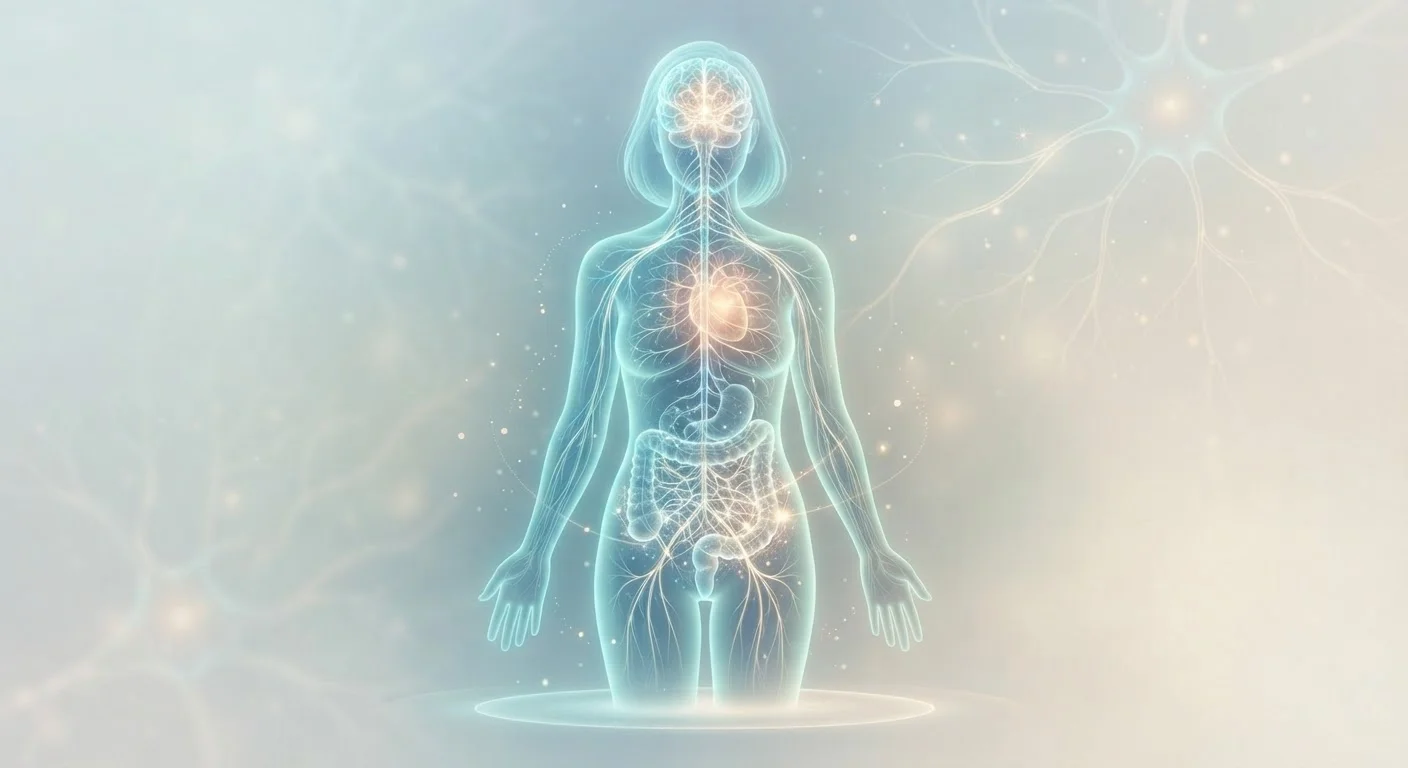
The gut-brain axis describes the continuous, two-way dialogue between your enteric nervous system (the complex neural network embedded in your gastrointestinal tract) and your central nervous system. This communication travels through the vagus nerve, the immune system, and a rich stream of chemical messengers including neurotransmitters and hormones.
What makes this axis especially significant for mental wellness is the gut's surprising role as a neurochemical hub. Approximately 90% of the body's serotonin — a neurotransmitter closely tied to mood regulation — is synthesized in the gut, not the brain. Gut bacteria also produce or stimulate the production of other key signaling molecules, including GABA, dopamine precursors, and short-chain fatty acids that influence brain function.
To understand the broader landscape of how body systems shape mental states, it helps to explore the mind-body connection.
~90%
Of body's serotonin produced in the gut
According to research published in neuroscience and gastroenterology literature, the vast majority of serotonin is synthesized in the gastrointestinal tract.
500M+
Neurons in the enteric nervous system
The enteric nervous system contains an estimated 500 million neurons, rivaling the complexity of the spinal cord, per established gastroenterology sources.
~38 trillion
Microbial cells in the human body
A widely cited 2016 estimate in Cell suggests microbial cells in the human body are roughly equal in number to human cells, with most concentrated in the gut.
How Gut Microbiome Disruption Influences Anxiety
Your gut is home to trillions of microorganisms — collectively called the gut microbiome — that play an active role in regulating inflammation, immune responses, and brain chemistry. When this microbial community is diverse and balanced, it tends to support resilience. When it's disrupted — a state called dysbiosis — that balance shifts.
Animal studies have repeatedly shown that germ-free mice (raised without any gut bacteria) display exaggerated stress responses and anxiety-like behaviors. When researchers introduced diverse microbiota to these animals, stress reactivity decreased. While human research is still catching up, observational studies have found associations between lower microbiome diversity and higher rates of anxiety and depression.
Dysbiosis can be triggered by a range of factors: antibiotic use, chronic stress, highly processed diets, poor sleep, and reduced physical activity. Importantly, the relationship runs in both directions — anxiety itself alters gut motility and bacterial composition, creating a feedback loop that can feel difficult to interrupt.
For a detailed look at how this bidirectional stress-gut dialogue plays out in the body, see our guide on chronic stress and gut health.
Evidence-Informed Ways to Support the Gut-Brain Axis
While no single intervention guarantees anxiety relief, several lifestyle-based approaches have research support for nurturing both gut health and emotional resilience.
Dietary diversity
A diet rich in fiber from varied plant sources — vegetables, legumes, whole grains, and fruits — feeds beneficial gut bacteria and supports microbiome diversity. Fermented foods such as plain yogurt, kefir, kimchi, and sauerkraut introduce live microorganisms that may contribute to a healthier gut environment. Emerging research on 'psychobiotics' (specific probiotic strains with proposed mental health benefits) is promising, though not yet at the stage of clinical prescription.
Mind-body practices
Practices like yoga and meditation directly engage the vagus nerve, helping shift the nervous system away from the stress response. Research shows these practices can reduce cortisol levels and support parasympathetic (rest-and-digest) activity — conditions under which gut health tends to stabilize. Explore the science behind yoga and meditation for a deeper understanding of these mechanisms.
Consistent sleep
The gut microbiome follows circadian rhythms. Irregular or insufficient sleep is associated with reduced microbial diversity and increased gut permeability. Prioritizing consistent sleep schedules supports both gut stability and emotional regulation.
Physical activity
Regular moderate exercise has been shown to increase microbial diversity and reduce systemic inflammation — both of which support healthier gut-brain signaling. Even walking consistently appears to have measurable effects on the gut environment.
Start Small with Gut-Supportive Habits
You don't need a complete lifestyle overhaul to begin supporting your gut-brain axis. Adding one or two servings of fiber-rich or fermented foods per day, taking a short daily walk, and establishing a consistent bedtime are manageable starting points. Small, sustainable changes compound over time — and your gut microbiome can begin responding within days. Always check with your healthcare provider before making major dietary or lifestyle changes, especially if you manage a chronic condition.
This article provides general health information and education only. It is not a substitute for professional medical advice, diagnosis, or treatment. If you are experiencing significant anxiety or persistent digestive symptoms, please consult a qualified healthcare professional.
Frequently Asked Questions
Research suggests a disrupted gut microbiome can influence brain chemistry and stress reactivity, potentially contributing to anxiety symptoms. However, the relationship is complex and bidirectional — anxiety also worsens gut health. This is an active area of research, and gut imbalance alone is not considered a direct cause of anxiety disorders.
Fiber-rich plant foods, fermented foods like yogurt and kefir, and diverse whole food diets are associated with a healthier gut microbiome. Limiting ultra-processed foods and excess sugar may also help. Always consult a registered dietitian before making significant dietary changes, especially if managing a health condition.
Stress triggers the release of hormones like cortisol, which can alter gut motility, increase intestinal permeability, and shift the composition of gut bacteria. Over time, chronic stress may contribute to digestive discomfort and a less resilient gut environment. See our <a href="/health-conditions/immune-gut-health/chronic-stress-and-gut-health-the-two-way-conversation-your-body-is-having">article on chronic stress and gut health</a> for a deeper look.
Some early-stage research on 'psychobiotics' — probiotic strains targeting mental health — shows promise, but evidence is still emerging and not yet sufficient for clinical recommendations. Speak with your healthcare provider before starting any probiotic supplement, particularly if you have underlying health conditions.
The gut microbiome can shift in composition within days of dietary changes, though meaningful improvements in mood-related markers may take weeks to months. Individual responses vary considerably. These are general observations from research populations, not guaranteed personal outcomes.
Yes — if you experience persistent digestive discomfort alongside anxiety, or if anxiety significantly interferes with daily life, consult a qualified healthcare professional. Self-managing symptoms without professional guidance may delay appropriate care.
The content on this site is for informational purposes only and is not a substitute for professional advice. Always consult a qualified professional for guidance specific to your situation.