
Our Verdict
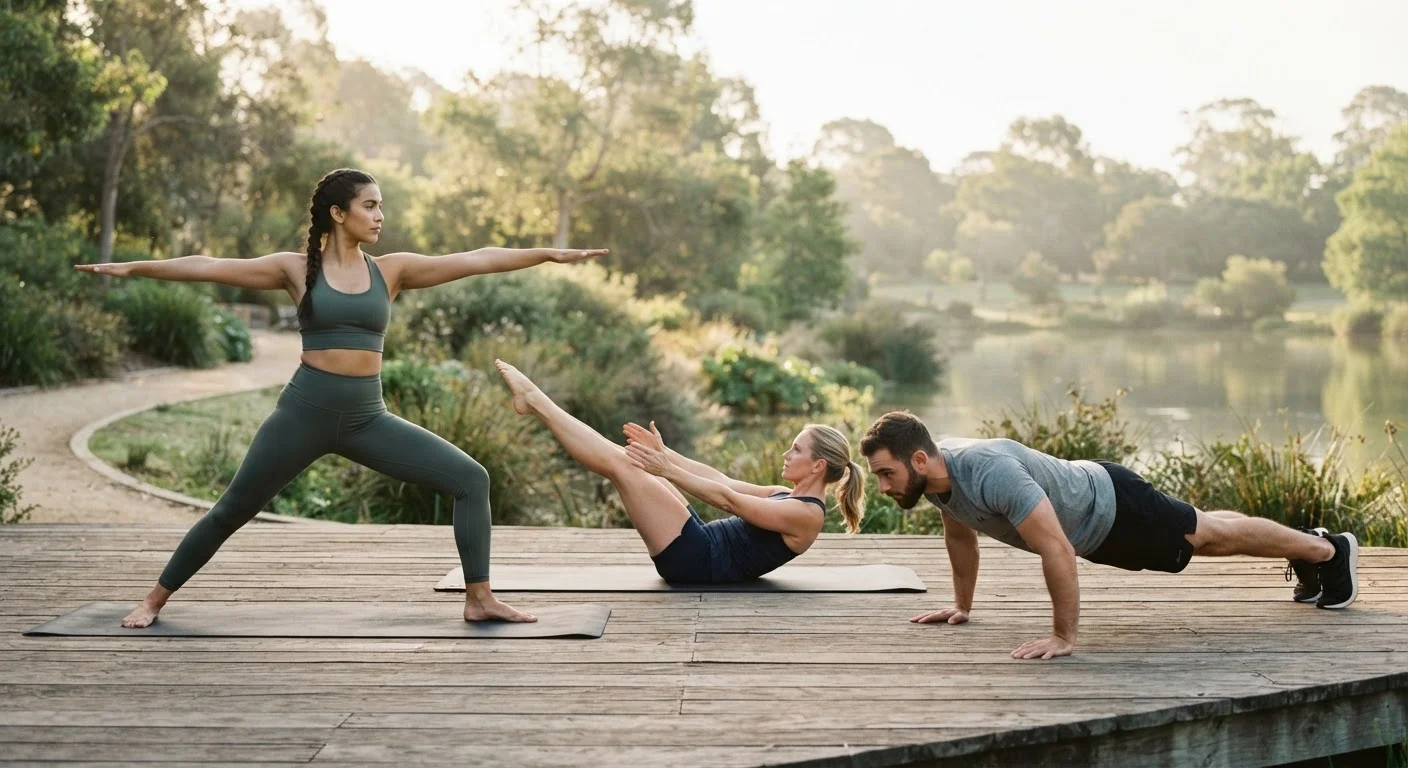
Yoga, Pilates, and calisthenics each deliver real gains in strength and flexibility, but they differ in emphasis, skill curve, and equipment demands. No single method is universally superior — the best choice depends on your starting point, primary goals, and how each practice fits your life. Many people find that combining elements of two or more disciplines produces the most balanced physical development.
| Best for | Recommended |
|---|---|
| Those prioritizing mobility, stress reduction, and mind-body connection | Yoga |
| Individuals recovering from injury or seeking postural correction and core stability | Pilates |
| People focused on measurable strength progression with minimal equipment | Calisthenics |
| Those wanting comprehensive, balanced physical development | A hybrid approach combining all three |
How Each Discipline Approaches Strength and Flexibility
Strength and flexibility are two sides of the same coin — as explored in our breakdown of how the two qualities complement each other. Yoga, Pilates, and calisthenics each honor that relationship, but take strikingly different routes to get there.
Yoga builds flexibility primarily through sustained holds and dynamic flows that lengthen connective tissue and improve joint range of motion. Strength develops incidentally through holding poses like plank, warrior, and chair — but the emphasis varies widely by style. Yin and yang yoga styles train the body quite differently: passive yin holds target fascia and ligaments, while active yang styles build muscular engagement and heat.
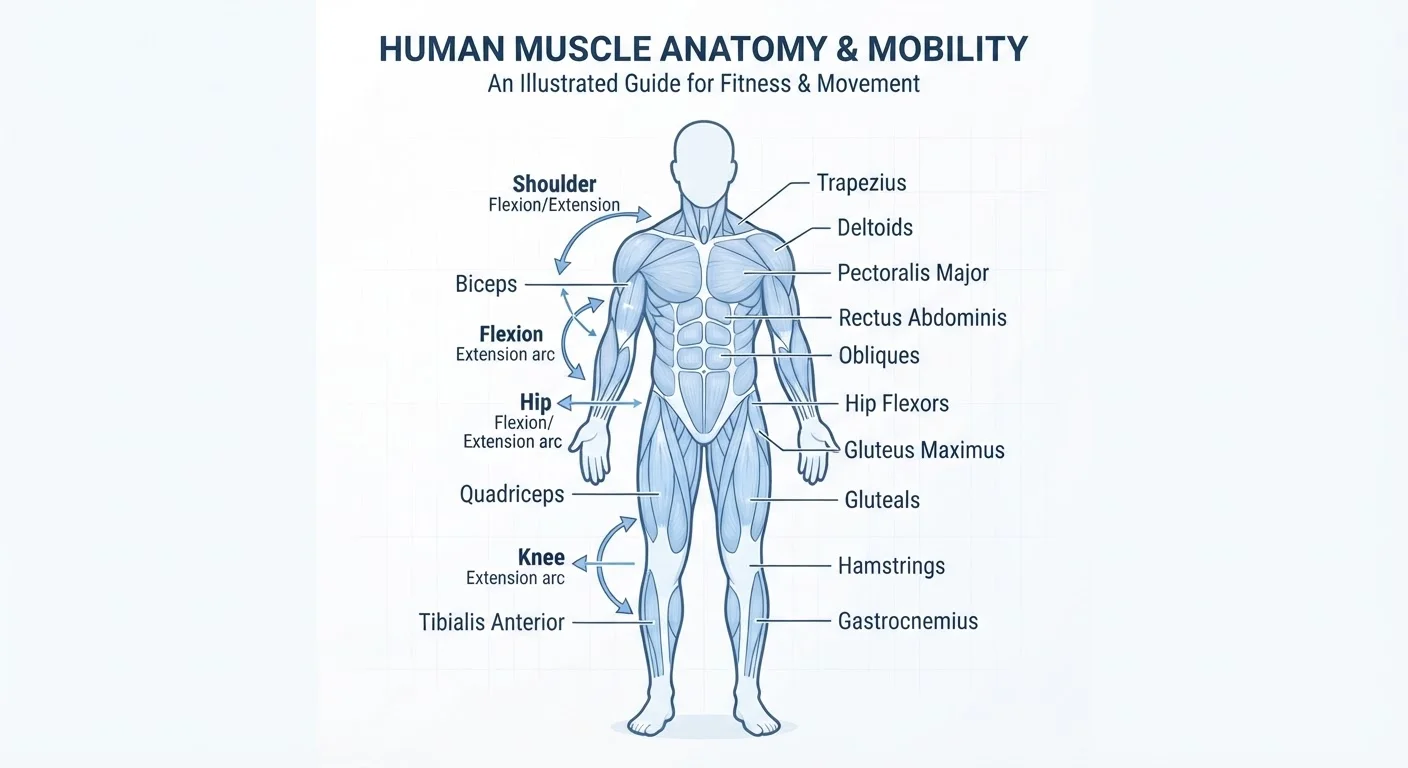
Pilates centers on core stability — specifically the deep stabilizing muscles of the trunk, pelvis, and spine. Movements are deliberate and anatomically precise, making Pilates highly effective for postural alignment and injury rehabilitation. Flexibility gains come from controlled lengthening through each exercise rather than passive stretching.
Calisthenics uses bodyweight as progressive resistance. Exercises like push-ups, pull-ups, dips, and squats are scaled from beginner to advanced through lever changes, tempo, and movement complexity. This makes calisthenics the most directly strength-focused of the three, with flexibility developed as a byproduct of training through full ranges of motion.
Comparing the Three Approaches
The table below summarizes how yoga, Pilates, and calisthenics compare across the criteria most relevant to balanced physical development. Keep in mind that individual experience varies, and none of these ratings reflect medical guidance.
| Yoga | Pilates | Calisthenics | |
|---|---|---|---|
| Primary strength focus | Isometric, pose-based | Deep core and stabilizers | Progressive bodyweight loading |
| Flexibility development | High — central to practice | Moderate — controlled lengthening | Moderate — via full range movement |
| Equipment needed | Mat only | Mat; optional reformer | Mat, pull-up bar optional |
| Injury rehabilitation suitability | Moderate — varies by style | High — widely used in rehab | Lower — depends on movement level |
| Skill progression curve | Gentle to moderate | Moderate | Moderate to steep |
| Mind-body / stress benefits | High — core emphasis | Moderate — focused movement | Lower — less explicit |
| Measurable strength gains | Low to moderate | Moderate | High |
As the comparison shows, calisthenics leads on measurable strength output, yoga on flexibility and stress relief, and Pilates on postural correction and accessibility for those managing pain or injury. For a deeper look at how functional strength fits into the picture, see functional strength vs. aesthetic muscle building.
Practical Considerations Before You Choose
Beyond goals, several practical factors shape which discipline suits you best right now.
- Equipment and space: Yoga requires only a mat. Pilates mat work is equally accessible, though studio reformer classes add cost. Calisthenics needs minimal equipment — a pull-up bar expands your options considerably.
- Injury history: Pilates is frequently used in physical therapy settings due to its low-impact, joint-friendly nature. If you have an existing injury or chronic pain, consult a qualified healthcare professional before beginning any new training program.
- Learning curve: Calisthenics has a steeper skill curve for advanced movements (e.g., muscle-ups, handstands). Yoga's wide style range means most people can find an entry point. Pilates technique benefits significantly from qualified instruction early on.
- Time structure: A typical yoga or Pilates session runs 45–60 minutes. Calisthenics workouts can be as short as 20–30 minutes with proper programming.
Try Before You Commit
Most gyms, studios, and streaming platforms offer beginner classes in all three disciplines. Attending two or three introductory sessions in each helps you assess how your body responds before building a regular schedule. Many people discover their preference through feel and enjoyment as much as through goals.
Before committing to any of these approaches, run through a movement readiness checklist to identify any mobility limitations or areas needing extra attention.
This article is for general informational purposes only and does not constitute medical or fitness advice. Always consult a qualified healthcare or fitness professional before starting a new exercise program, particularly if you have an existing health condition.
Building a Practice That Integrates All Three
Many experienced movers find that the most well-rounded approach isn't a single discipline — it's a weekly structure that draws from all three. A practical integration might look like: two yoga sessions for mobility and recovery, one or two Pilates sessions for core and postural work, and two calisthenics sessions for progressive strength loading.
This kind of balance maps directly to the programming principles covered in building a weekly strength and flexibility routine that actually holds. The key is sequencing: avoid stacking high-intensity calisthenics on back-to-back days, and use yoga or Pilates sessions on lighter days to support recovery without eliminating movement entirely.
For a broader framework connecting these disciplines to long-term physical development, our comprehensive strength and flexibility resource provides end-to-end programming and recovery guidance.
The content on this site is for informational purposes only and is not a substitute for professional advice. Always consult a qualified professional for guidance specific to your situation.