

Why a Structured Weekly Plan Works Better Than Ad Hoc Training
Many people approach strength and flexibility with good intentions but no weekly architecture — resulting in repeated workouts for muscle groups they enjoy and long stretches of neglecting mobility. Research consistently shows that structured programming, even at modest volume, produces more reliable physical adaptations than unplanned training of equivalent total effort.
The core principle is distribution: spreading training stress across the week rather than concentrating it into one or two long sessions. This approach respects how the body recovers and adapts, which is the same logic that underlies effective home workout programming.
For a deeper look at why strength and flexibility reinforce rather than compete with each other, see why these two qualities are two sides of the same coin. Understanding that relationship makes the planning decisions in this guide easier to internalize.
What you will need
What You Need Before You Begin
Effective planning starts with an honest self-assessment, not just a list of exercises. Before you map out your week, use the tools and resources below to set yourself up for safe, productive sessions.
Yoga Mat or Exercise Mat
Provides cushioning and grip for floor-based stretching and bodyweight movements.
Resistance Bands
Support assisted stretching and add progressive load to bodyweight strength exercises.
Foam Roller
Used for self-myofascial release to reduce muscle tension before or after sessions.
Training Journal or App
Tracks session type, exercises, and perceived effort to guide progressive overload decisions.
Consult a Professional Before Starting
This article provides general fitness education, not personalized medical or exercise advice. If you have a pre-existing injury, chronic condition, or have been sedentary for an extended period, consult a qualified healthcare provider or certified fitness professional before beginning a new training program. Special populations — including those who are pregnant, older adults, and individuals managing chronic pain — should seek individualized guidance.
If you want a structured way to evaluate your physical readiness before each session begins, the movement readiness checklist is a practical companion to this guide. It helps you identify whether your body is prepared for the planned demand on any given day — an underrated but important habit.
How to Build Your Weekly Schedule: Step-by-Step
Follow the steps below to construct a balanced weekly plan that integrates both strength and flexibility work. Each step builds on the last, so work through them in order before committing sessions to your calendar.
Audit Your Available Time and Recovery Capacity
Before placing a single session on the calendar, take an honest look at how many days per week you can realistically train and for how long. Three to four sessions of 35–45 minutes each is a sustainable starting point for most adults balancing work and life demands. Note which days tend to be higher stress — those days are better suited to lighter mobility work than heavy strength training.
Assign Session Types to Each Training Day
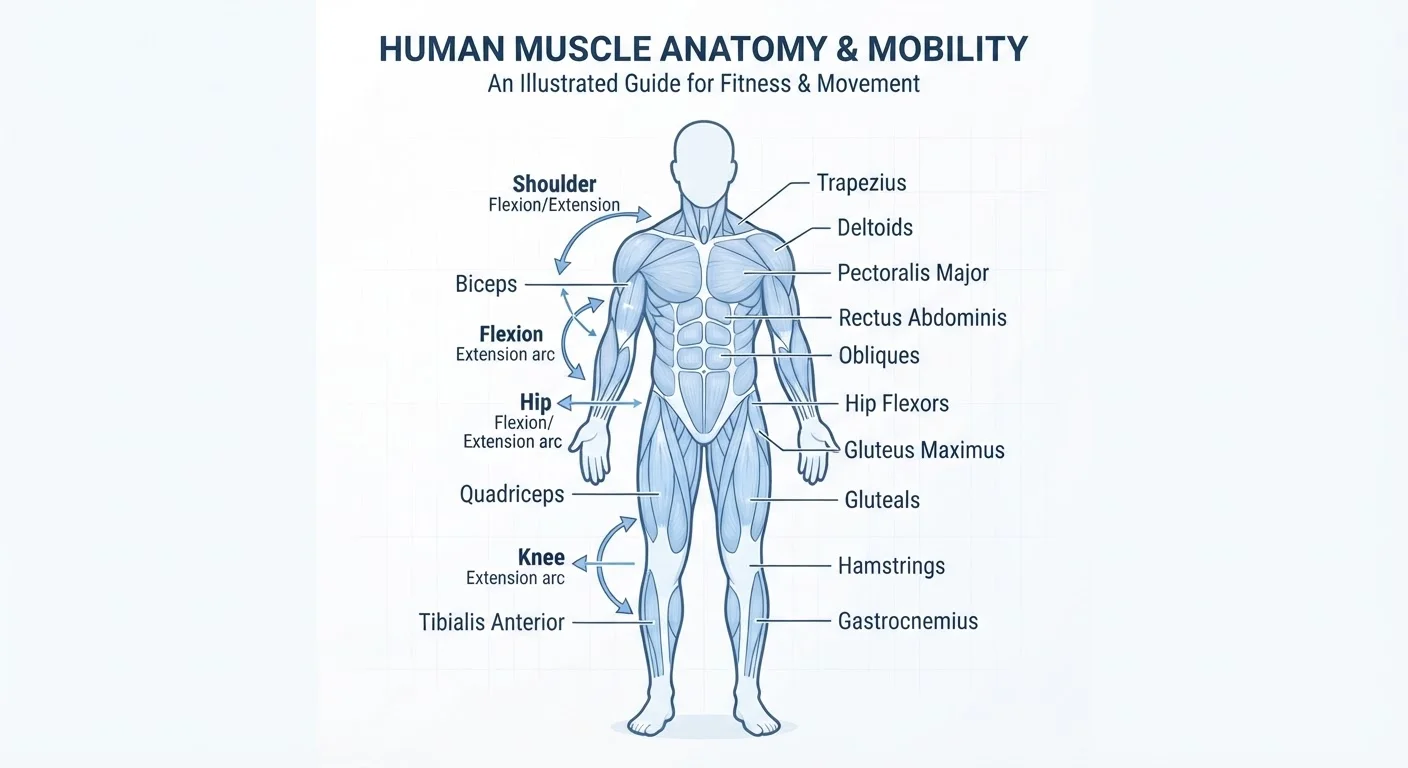
Structure your week around three core session types: strength-focused, mobility-focused, and integrated (which combines both in one session). A practical three-day layout might look like: Day 1 — integrated lower body (squats, hinges, hip mobility); Day 2 — upper body strength with shoulder and thoracic mobility; Day 3 — full-body integrated session or dedicated flexibility practice. Place at least one full rest day between your two most demanding sessions.
Build Each Session With a Clear Three-Part Structure
Every training session — regardless of type — should follow the same arc: prepare, work, restore. Spend five to eight minutes on dynamic warm-up movements (leg swings, arm circles, hip circles). Move into your primary strength or mobility work for 20–30 minutes. Close with static stretching or breathing-based cool-down for five minutes. This structure reinforces habits and signals your nervous system when to ramp up and when to wind down.
Apply Progressive Overload to Both Strength and Flexibility
Progressive overload — gradually increasing the demand placed on the body — applies equally to strength and flexibility training. For strength, this means adding a repetition, slowing the tempo, or increasing resistance over time. For flexibility, it means working into a slightly deeper range of motion or holding a position for longer as your tissues adapt. Track both in your training journal so progress is visible and intentional rather than accidental.
Schedule and Protect Your Rest Days
Rest days are not gaps in the plan — they are where adaptation actually occurs. Muscle tissue repairs, the nervous system recovers, and connective tissues remodel during rest. Mark at least two full rest days per week in your schedule and treat them with the same commitment as your training sessions. Light walking or gentle stretching on rest days is appropriate; high-intensity effort is not.
Review and Adjust the Plan Every Four Weeks
A routine that does not evolve eventually stops producing results. Every four weeks, review your training log: Are sessions feeling manageable or consistently exhausting? Have you progressed in either strength or flexibility? Adjust session frequency, exercise selection, or volume based on your findings. This review cycle also helps you catch early signs of overtraining before they become injuries.
Pair Mobility Work With Your Warm-Up
Rather than treating flexibility as a separate session you may skip, fold five to eight minutes of dynamic mobility into the start of each strength day. This approach builds the habit naturally and ensures your joints are prepared for load. Save deeper static stretching for after training, when muscles are warm and more responsive to lengthening.
Avoid Stacking High-Intensity Days Back-to-Back
Programming two or more demanding strength sessions consecutively without a recovery buffer significantly raises injury risk and impairs adaptation. If you feel persistent soreness, joint discomfort, or fatigue that carries over between sessions, scale back intensity or add a rest day. Pushing through pain — as distinct from mild muscular effort — is not productive training.
For a broader framework covering the principles behind long-term programming, the comprehensive strength and flexibility resource covers recovery strategies, method selection, and progression models in greater depth.
Keeping the Routine Sustainable Over Time
The most common reason a training routine fails is not lack of effort — it is lack of design for real life. Skipped sessions accumulate, guilt builds, and the plan gets abandoned. Building in flexibility (the scheduling kind) is just as important as building in physical flexibility.
If a session gets missed, the response should be simple: resume the next scheduled session as planned, rather than trying to make up lost volume. Compensatory overtraining after a missed day frequently causes the overuse injuries that force longer breaks.
The same consistency-over-intensity principle that applies to stress management routines applies here: a modest, reliable weekly structure maintained across months will always outperform an ambitious plan followed for two weeks. Design your routine to survive a bad week, not just a good one.
This article is for general informational and educational purposes only and does not constitute medical or professional exercise advice. Always consult a qualified healthcare provider or certified fitness professional before beginning a new training program, particularly if you have any health concerns or physical limitations.
The content on this site is for informational purposes only and is not a substitute for professional advice. Always consult a qualified professional for guidance specific to your situation.