

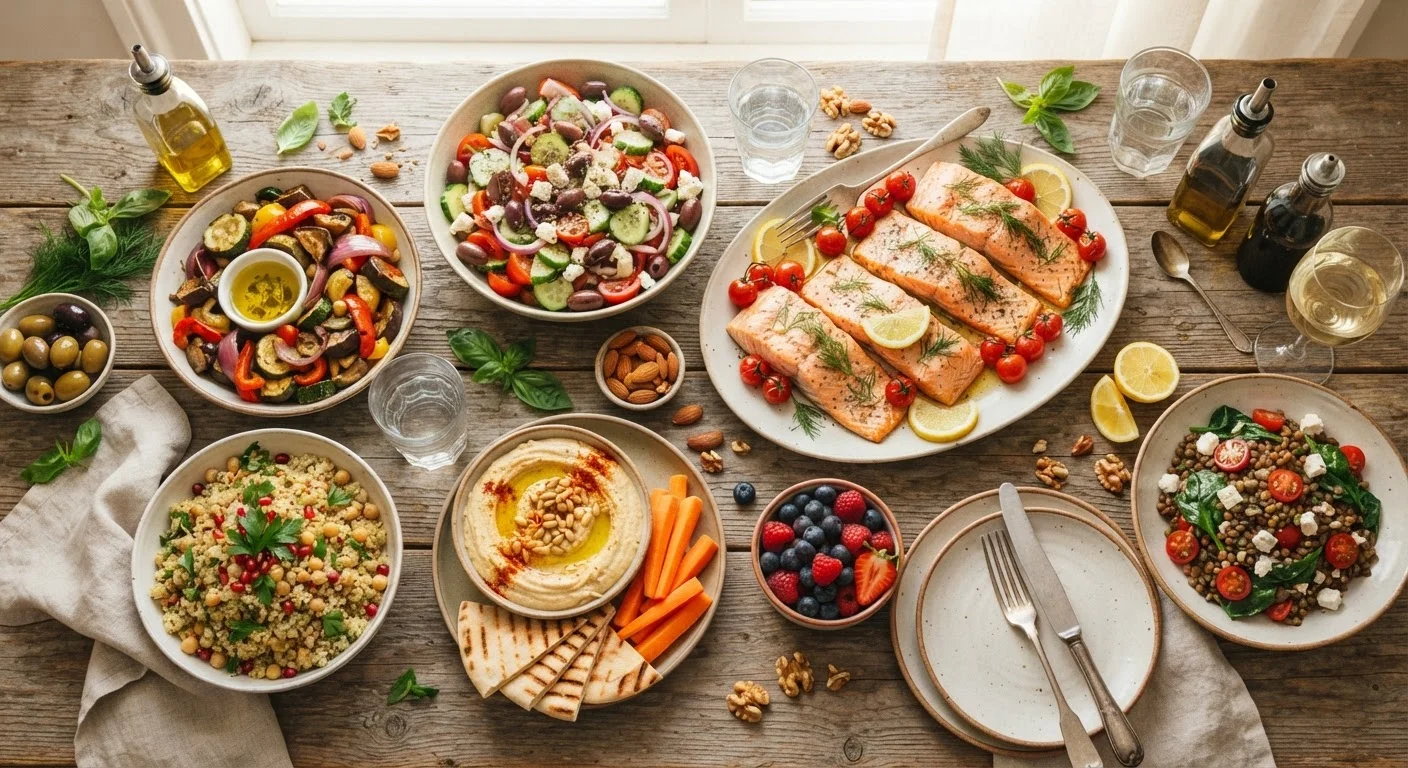
Understanding Systemic Inflammation and Diet
Inflammation is a natural immune process — essential for healing acute injuries and fighting infection. When this response becomes chronic and low-grade, however, it can contribute to a range of conditions including cardiovascular disease, type 2 diabetes, and certain autoimmune disorders. Researchers have increasingly examined how dietary patterns interact with inflammatory pathways at the cellular level.
The gut plays a particularly important role in this relationship. Dietary choices shape the composition of the gut microbiome, which in turn influences immune signaling throughout the body. For a deeper look at this connection, see our coverage on gut health and systemic inflammation.
It's important to approach this topic with calibrated expectations. Diet is one modifiable factor among many. Anyone managing a chronic condition should work with a qualified healthcare provider before making significant dietary changes.
Inflammation Markers: What They Can and Cannot Tell Us
Studies often measure inflammation using blood markers such as C-reactive protein (CRP), interleukin-6 (IL-6), or tumor necrosis factor-alpha (TNF-α). Dietary interventions may produce modest, statistically significant changes in these markers, but a reduction in a lab value does not always translate directly to measurable symptom improvement. Interpreting these results requires clinical context and professional oversight.
Dietary Patterns With the Strongest Evidence
Rather than focusing on single superfoods, researchers generally study overall dietary patterns — the combined effect of habitual food choices over time. Several patterns have shown consistent associations with lower markers of inflammation in observational and clinical studies.
Build meals around a wide variety of colorful vegetables and fruits.
Plant foods are rich in polyphenols, antioxidants, and dietary fiber — compounds that research associates with reduced oxidative stress and lower inflammatory cytokine levels. Diversity across types and colors helps ensure a broad spectrum of phytonutrients.
Prioritize omega-3-rich fatty fish at least twice per week.
Omega-3 fatty acids — particularly EPA and DHA found in fatty fish — are among the most studied dietary compounds for their influence on inflammatory pathways. They help shift the balance away from pro-inflammatory eicosanoids.
Choose extra-virgin olive oil as your primary cooking fat.
Extra-virgin olive oil contains oleocanthal and other polyphenols with demonstrated anti-inflammatory properties in laboratory and human studies. It is a cornerstone of the Mediterranean dietary pattern, one of the most thoroughly researched anti-inflammatory eating styles.
Replace refined grains with intact whole grains and legumes.
Whole grains and legumes provide prebiotic fiber that feeds beneficial gut bacteria, support more stable blood sugar responses, and are associated with lower CRP levels in epidemiological studies. Refined grain alternatives lack much of this fiber and many phytonutrients.
Include nuts and seeds as regular snack or meal components.
Walnuts, almonds, flaxseeds, and chia seeds provide a combination of omega-3 fatty acids (particularly alpha-linolenic acid), vitamin E, and magnesium — nutrients associated with reduced inflammatory activity in multiple studies.
For a balanced examination of what the evidence actually supports, the article anti-inflammatory eating: what research supports and what it does not provides useful context on the strength and limits of current findings.
Foods to Limit: The Other Side of the Equation
Anti-inflammatory eating is as much about reducing certain inputs as it is about adding beneficial ones. Research consistently identifies several dietary components associated with elevated inflammatory markers:
- Ultra-processed foods — high in refined carbohydrates, industrial seed oils, and additives linked to gut microbiome disruption
- Added sugars and sugar-sweetened beverages — associated with increased levels of C-reactive protein (CRP), a common inflammatory marker
- Excess saturated and trans fats — found in processed meats and some packaged snacks, linked to pro-inflammatory signaling pathways
- Refined grains — lower in fiber and phytonutrients compared to whole grain alternatives, with less favorable effects on blood sugar and gut bacteria
Understanding these common inflammatory triggers in daily life helps frame what a genuinely anti-inflammatory approach involves in practice.
Building a Sustainable Anti-Inflammatory Plate
Translating research into everyday eating doesn't require rigid meal plans or expensive specialty foods. The core principle is dietary diversity — prioritizing whole, minimally processed foods across all major food groups while limiting the categories identified above.
Physical activity also plays a meaningful role alongside nutrition. Research on movement as medicine and inflammatory markers illustrates how exercise and diet work synergistically to support the body's inflammatory balance. Similarly, chronic stress can counteract dietary gains — nutritional strategies for stress resilience are explored in our article on foods that support stress resilience.
30%
Lower CRP levels in Mediterranean diet followers
A meta-analysis published in the journal Nutrients found that adherence to a Mediterranean dietary pattern was associated with meaningfully lower C-reactive protein levels compared to control diets.
2–3x
Increased chronic disease risk with ultra-processed food diets
Multiple large cohort studies, including those published in The BMJ, have linked diets high in ultra-processed foods to significantly elevated risk of inflammatory chronic conditions.
For broader context on managing common chronic conditions naturally, the Immune & Gut Health hub offers a range of evidence-informed resources.
This article is for informational purposes only and does not constitute medical advice. Always consult a qualified healthcare professional before making significant changes to your diet or health regimen, especially if you have an existing medical condition.
The content on this site is for informational purposes only and is not a substitute for professional advice. Always consult a qualified professional for guidance specific to your situation.