

Our Verdict
Anti-inflammatory eating patterns are among the most evidence-supported lifestyle strategies for reducing chronic inflammation risk, but the science has real limits. Observational studies dominate this field, and individual variation means no universal prescription exists. Adopting a whole-food, plant-forward dietary pattern is a reasonable, low-risk approach — but it should be viewed as one part of a broader wellness strategy, not a standalone cure.
Best suited for health-conscious adults who want to support long-term wellbeing through sustainable, whole-food dietary habits and are willing to take a patient, realistic approach to results.
What Anti-Inflammatory Eating Actually Means
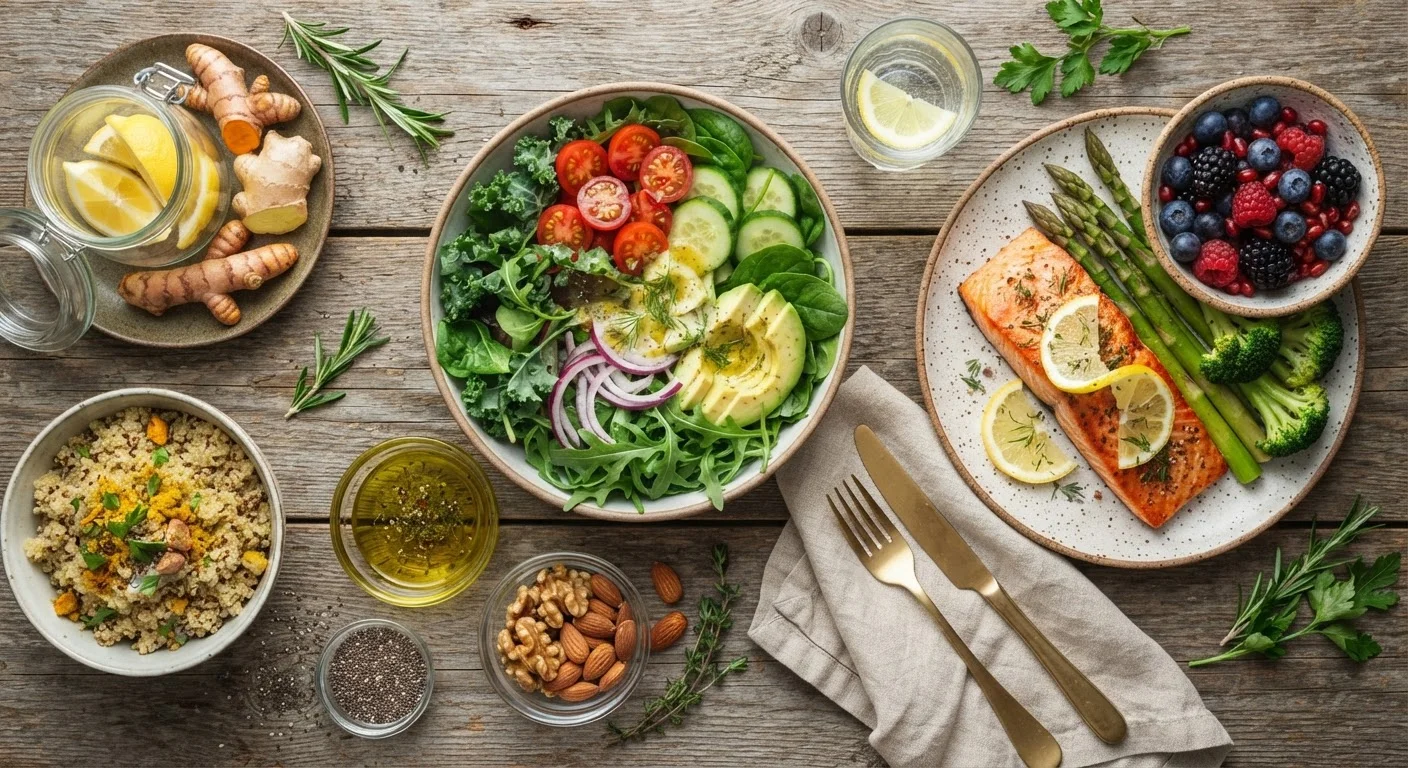
The term "anti-inflammatory diet" is used loosely in popular media, but researchers typically refer to specific dietary patterns rather than isolated foods. These patterns are characterised by high intake of vegetables, fruits, legumes, whole grains, olive oil, and fatty fish, alongside low consumption of ultra-processed foods, refined sugars, and red meat.
The Mediterranean diet is the most rigorously studied example. The Mediterranean and DASH patterns both score well on dietary inflammatory indexes — composite tools researchers use to estimate a diet's overall inflammatory potential. For a broader view of specific foods within these frameworks, see our article on dietary patterns that may help calm systemic inflammation.
Understanding this pattern-based framing is critical: the evidence base supports overall eating habits, not individual superfoods or supplements.
What the Research Supports
Several consistent findings emerge across large cohort studies and meta-analyses:
- C-reactive protein (CRP) and interleukin-6 (IL-6) — common blood markers of systemic inflammation — tend to be lower in populations following Mediterranean-style dietary patterns.
- Higher adherence to plant-forward diets is associated with reduced risk of chronic conditions linked to low-grade inflammation, including cardiovascular disease and type 2 diabetes.
- Omega-3 fatty acids found in oily fish have demonstrated anti-inflammatory mechanisms in controlled trials, particularly regarding eicosanoid production.
Linked to lower CRP and inflammatory biomarkers
Multiple meta-analyses show Mediterranean-style diets are associated with significantly reduced levels of C-reactive protein and interleukin-6 compared to Western dietary patterns.
Supports cardiovascular and metabolic health simultaneously
Anti-inflammatory dietary patterns overlap substantially with heart-healthy and metabolic-supporting eating, meaning the same changes may benefit multiple body systems at once.
Rooted in whole, minimally processed foods
The foundation of these eating patterns — vegetables, legumes, whole grains, olive oil, and fish — provides a wide spectrum of nutrients beyond any anti-inflammatory effect alone.
Relatively low risk when broadly followed
Shifting toward more plant foods and fewer ultra-processed items carries minimal risk for most healthy adults and aligns with general dietary guidelines from major health authorities.
Flexible and adaptable across cuisines
The pattern-based approach means it can be applied across diverse cultural food traditions without requiring a rigid or restrictive meal plan.
The pain and inflammation hub offers additional context on how systemic inflammation relates to chronic disease. Research also shows that antioxidants in whole foods may contribute to this effect, though their isolated role remains debated.
~20%
Reduction in CRP associated with Mediterranean diet adherence
A meta-analysis published in Nutrients found that higher adherence to the Mediterranean diet was associated with approximately 20% lower C-reactive protein levels compared to lower adherence.
38%
Of chronic disease burden linked to diet-related inflammation
The Global Burden of Disease study attributes a substantial proportion of non-communicable disease deaths to dietary risk factors, many of which operate through inflammatory mechanisms.
Where the Evidence Falls Short
The limitations of this research field deserve equal attention:
Most evidence is observational, not causal
The bulk of research linking diet to inflammation relies on cohort studies and surveys, which demonstrate associations but cannot confirm that dietary changes directly cause reduced inflammation.
Individual variability limits universal predictions
Genetics, gut microbiome composition, and baseline health status mean one person's response to the same dietary pattern can differ substantially from another's.
Difficult to isolate diet from other lifestyle factors
People who follow anti-inflammatory diets often also exercise regularly, sleep well, and avoid smoking, making it hard for researchers to attribute outcomes specifically to food choices.
No standardised definition across research
"Anti-inflammatory diet" means different things in different studies, which complicates direct comparisons and makes broad conclusions harder to draw reliably.
Effects on inflammation markers are often modest
While statistically significant reductions in CRP have been reported, the absolute magnitude is often modest, and clinical relevance for an individual varies case by case.
Most landmark studies are observational, meaning they identify associations rather than causation. People who eat well tend to also sleep better, exercise more, and smoke less — confounders that are difficult to fully isolate statistically. Randomised controlled trials in nutrition are notoriously difficult to conduct at scale and over meaningful timeframes.
Individual response varies substantially. Gut microbiome composition, genetic variants affecting fat metabolism, and baseline inflammatory status all influence how a person responds to dietary changes. What meaningfully lowers CRP in one individual may have modest or negligible effects in another. For context on why inflammation-focused strategies sometimes underdeliver, see why natural anti-inflammatory approaches often disappoint.
Diet Is One Variable Among Many
Nutrition science increasingly recognises that inflammation is a multi-system phenomenon. Diet contributes meaningfully, but it operates alongside sleep quality, stress levels, physical activity, and environmental exposures. Research on movement and inflammatory markers demonstrates that exercise independently modulates key inflammatory pathways. Similarly, everyday behavioural and environmental triggers — from sedentary time to sleep disruption — can undermine even a well-structured diet.
Inflammation Markers: What They Do and Don't Tell Us
Blood tests like C-reactive protein (CRP) and interleukin-6 offer useful signals about systemic inflammatory activity, but they are non-specific — elevated levels can reflect many conditions, not just diet. Interpreting these markers requires clinical context. If you are concerned about your inflammation levels, speak with a healthcare provider rather than relying solely on dietary intervention.
For those interested in how gut health intersects with inflammation, the immune and gut health hub provides a broader framework. Emerging research on the gut-immune axis suggests that dietary fibre's effect on microbiome diversity may be one mechanism through which plant-forward diets reduce inflammatory tone — though this area is still developing. See also what current evidence says about plant-based diets and chronic disease.
This article is for general informational purposes only and does not constitute medical advice. Always consult a qualified healthcare professional before making significant changes to your diet, particularly if you have an existing health condition.
The content on this site is for informational purposes only and is not a substitute for professional advice. Always consult a qualified professional for guidance specific to your situation.