

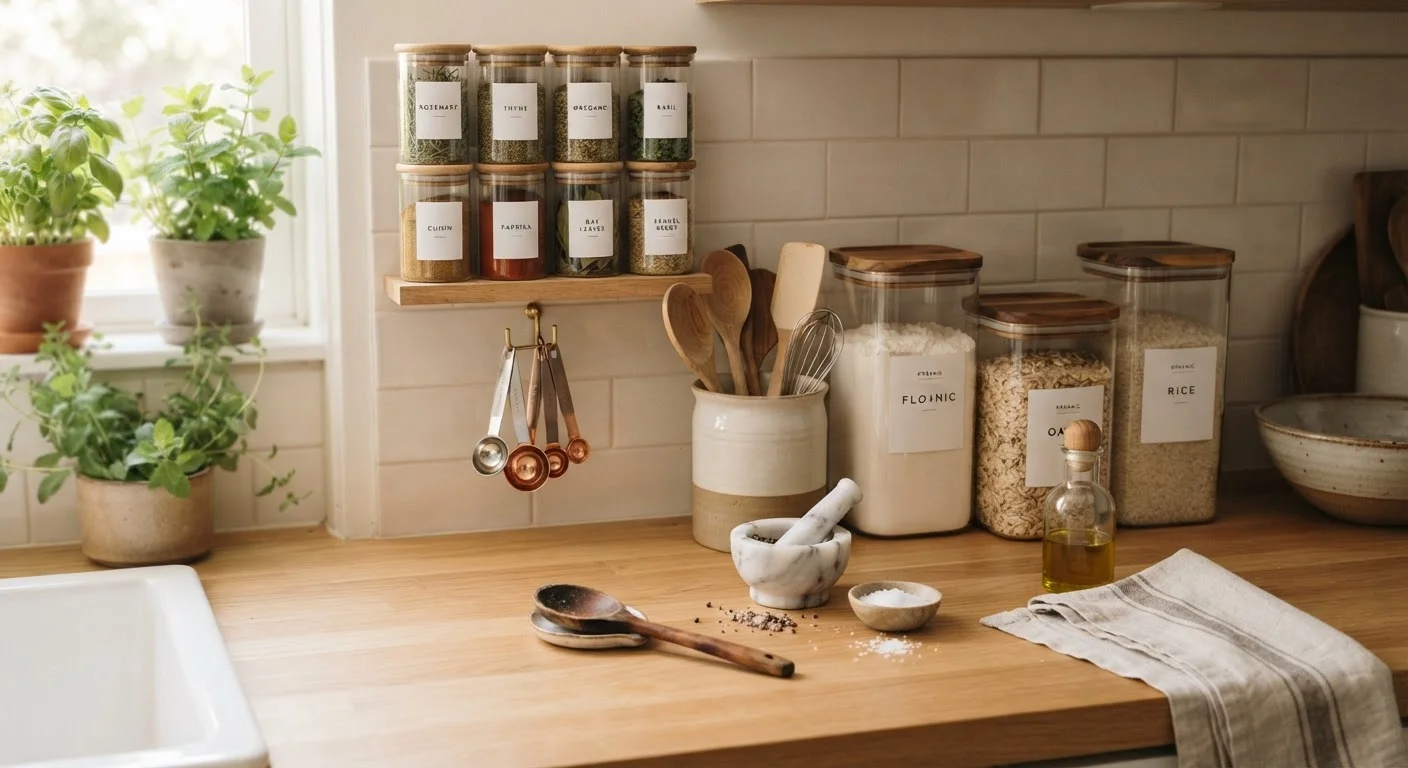
Why Preparation Matters More Than Most People Realize
Many home remedy mishaps don't stem from the ingredient itself but from how it was prepared. Contaminated equipment, imprecise measurements, and unclean workspaces can introduce bacteria or mold into otherwise safe preparations. Before you begin, wash all utensils, cutting boards, and containers with hot soapy water and allow them to dry completely.
Use food-grade or pharmaceutical-grade ingredients wherever possible. Dried herbs, oils, and vinegars purchased from reputable grocery or specialty stores are generally safer starting points than wildcrafted materials, which can be misidentified or contaminated by pesticides or environmental pollutants. If you do harvest plants yourself, accurate identification is non-negotiable — many toxic plants closely resemble beneficial ones.
Measuring matters too. Unlike cooking, where a little extra seasoning is harmless, concentrated herbal preparations can produce meaningful physiological effects. Use measuring spoons rather than estimating, and keep written notes of what you prepared, when, and in what quantities. This habit supports consistency and helps you identify the source of any adverse reaction.
Keep a Simple Remedy Log
A dedicated notebook or digital note for home remedies pays dividends over time. Record what you prepared, the quantity, the date, how you used it, and any effects you observed — positive or negative. This practice builds a personal reference, supports consistency, and makes it easier to identify any preparation that may have triggered an unexpected reaction.
Storage Principles That Preserve Safety and Potency
Even a well-prepared remedy degrades quickly under the wrong conditions. Heat, light, moisture, and oxygen are the four primary enemies of shelf stability. Most herbal preparations — tinctures, infused oils, and dried herb blends — should be stored in dark glass containers with airtight lids, kept in a cool, dry location away from direct sunlight.
~80%
Global population using plant-based remedies
The World Health Organization has estimated that approximately 80% of the world's population relies on plant-based medicines as a primary healthcare resource.
1–2 weeks
Safe use window for fresh herb-infused oils
Food safety guidance consistently recommends refrigerating fresh herb or garlic infused oils and using them within one to two weeks to minimize bacterial risk.
Infused oils deserve particular attention because they carry a risk of bacterial growth, including Clostridium botulinum, when fresh herbs or garlic are submerged in oil and stored improperly. Always use dried herbs in infused oils, refrigerate the preparation, and use it within one to two weeks. When in doubt, discard it.
Label every container with the preparation name, primary ingredients, preparation date, and intended use. This prevents mix-ups and helps you observe the recommended use window. When a remedy changes color, develops an off smell, or shows any visible mold, discard it immediately regardless of the labeled date. No remedy is worth the risk of consuming a spoiled preparation. For guidance on what to keep stocked, see building a home remedy cabinet.
Dosing Principles: Starting Low, Going Slow
One of the most common errors in home remedy use is assuming that more is better. Many active plant compounds follow a dose-dependent response — meaning effects, including adverse effects, increase with quantity. The principle of starting with the lowest reasonable amount and observing your response over time is both prudent and practical.
Traditional herbalism often relies on standardized preparations — a specific number of leaves per cup of water for an infusion, or a defined ratio of herb to menstruum for a tincture — precisely because consistency reduces unpredictability. Following established traditional preparation guidelines, rather than improvising, keeps you within a range that has a record of general tolerability.
Be aware that herbal preparations can interact with prescription medications. St. John's Wort, for example, is well-documented to affect the metabolism of numerous drugs, and garlic in concentrated form may influence blood-thinning medications. This is not a reason to avoid natural remedies entirely, but it is a reason to discuss them with a healthcare provider, especially if you take any regular medications. For a broader look at this issue, see why natural doesn't always mean safe.
Special Populations and When to Seek Professional Guidance
Children, pregnant and breastfeeding individuals, older adults, and people with chronic health conditions should approach home remedies with additional caution. Many herbs have not been studied in these groups, and physiological differences in metabolism mean that general tolerability assumptions may not apply. If you fall into any of these categories, consulting a qualified healthcare professional before using herbal or home-based remedies is strongly advised.
Home remedies are best suited to minor, self-limiting complaints — a soothing honey and lemon preparation for a mild sore throat, or a ginger infusion for mild nausea. They are not substitutes for professional diagnosis or treatment of serious, persistent, or worsening symptoms. Explore evidence-informed options for common ailments through natural approaches to common conditions or learn more about specific herbs through herbal remedies.
This article is for general informational and educational purposes only and is not a substitute for professional medical advice, diagnosis, or treatment. Always consult a qualified healthcare provider before starting any new remedy, especially if you have an existing health condition or take medications.
The content on this site is for informational purposes only and is not a substitute for professional advice. Always consult a qualified professional for guidance specific to your situation.