

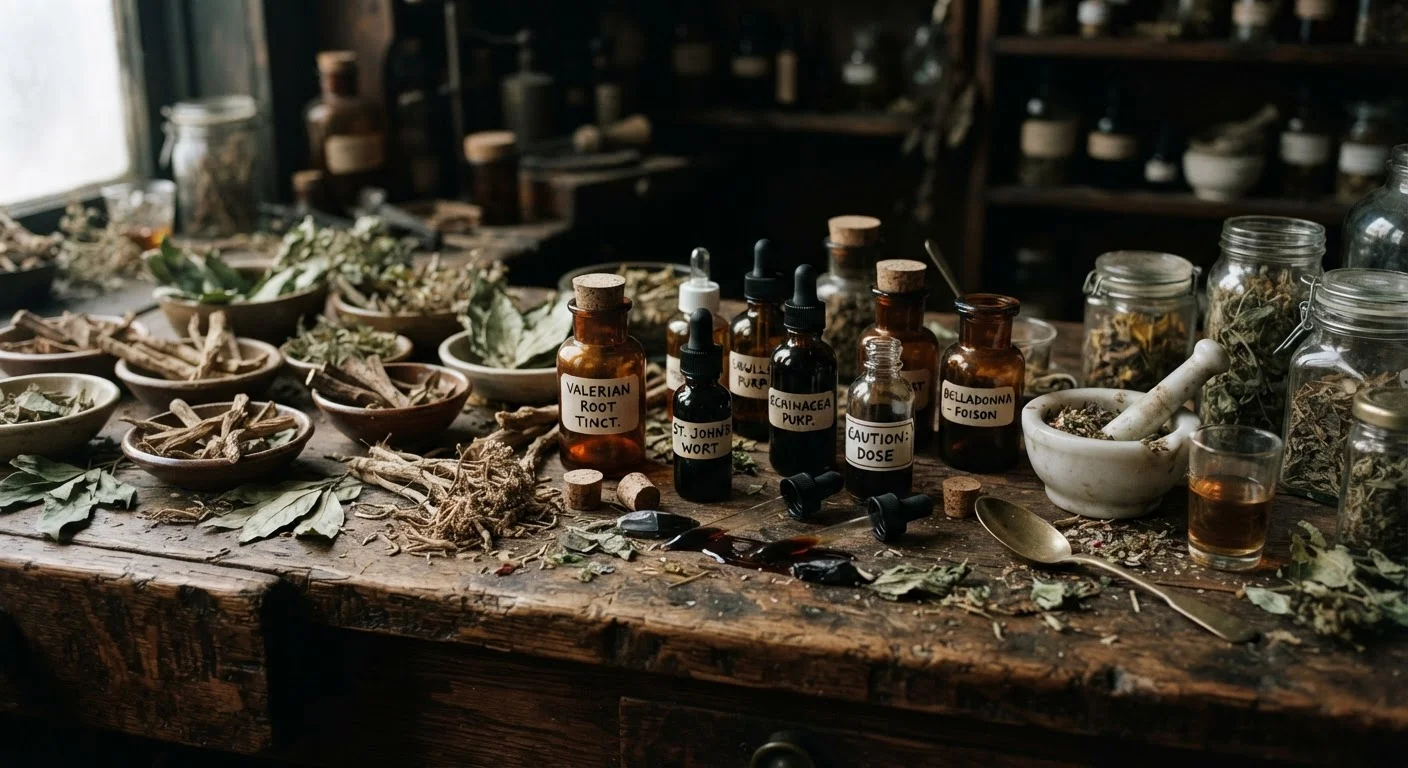
Why the 'Natural Equals Safe' Assumption Is Flawed
The appeal is understandable. When a remedy comes from a plant rather than a laboratory, it can feel inherently gentler, more trustworthy, and free of side effects. But this intuition is misleading in ways that carry genuine health consequences.
Herbal plants produce bioactive compounds — alkaloids, glycosides, terpenes, flavonoids — that exert measurable effects on human physiology. That biological activity is precisely what makes them useful. It is also what makes them capable of causing harm when misused. Digitalis, derived from foxglove, is a potent cardiac drug. Aristolochic acid, found in certain traditional herbs, is a recognized nephrotoxin linked to kidney failure. Pyrrolizidine alkaloids, present in comfrey and several other plants, are associated with liver damage.
These are not edge cases. They are well-documented examples of naturally occurring compounds that the body cannot distinguish from synthetic ones simply because of their origin. Understanding this is the foundation of safer herbal practice, and it begins with rejecting the origin-equals-safety equation entirely. For a broader look at how this reasoning extends across holistic wellness, see persistent myths about natural and holistic healing.
Treating 'natural origin' as a proxy for safety, assuming herbs cannot cause side effects.
Why it happens: Cultural messaging consistently frames nature as benign and synthetic compounds as risky, reinforcing a false binary that does not reflect pharmacological reality.
Ignoring herb-drug interactions when combining herbal remedies with prescription or over-the-counter medications.
Why it happens: People often mentally categorize supplements and medications as separate systems, not realizing that many herbs are metabolized through the same liver enzyme pathways as pharmaceutical drugs.
Using herbs without regard for dosage, assuming more is better or that any amount is harmless.
Why it happens: Without a clear dosage framework comparable to pharmaceutical labeling, users often self-escalate based on the assumption that natural substances have no toxic threshold.
Assuming herbal supplements are rigorously regulated and verified for contents listed on the label.
Why it happens: Consumers familiar with pharmaceutical regulation reasonably expect similar standards apply to supplements, but in the US, the regulatory framework for dietary supplements is substantially less stringent.
Delaying or replacing necessary medical care with herbal remedies for serious or worsening conditions.
Why it happens: Distrust of conventional medicine, cost concerns, or overconfidence in herbal solutions can lead people to self-manage conditions that require professional diagnosis and treatment.
Applying Safer, More Evidence-Informed Herb Use
Recognizing the mistakes above is only part of the equation. The more important step is developing habits that make herbal use genuinely safer without abandoning the real benefits that many well-researched herbs offer.
~23,000
Annual ER visits linked to dietary supplements
A study published in the New England Journal of Medicine estimated approximately 23,000 emergency department visits per year in the US are associated with dietary supplement adverse events.
15–20%
Adults using herbal supplements who tell their doctor
Research consistently shows that only a minority of supplement users disclose use to their physicians, increasing the risk of undetected herb-drug interactions.
Start by sourcing herbs and supplements from suppliers that conduct third-party testing for purity, potency, and contaminants — this does not mean chasing brand names, but rather looking for verifiable quality indicators such as USP, NSF, or ConsumerLab verification marks. Preparation method matters significantly: a standardized extract and a home-brewed tea from the same plant can deliver very different concentrations of active compounds. If you are new to herbal approaches, starting out with herbal wellness offers grounded foundational guidance.
Always disclose every supplement, herb, and remedy you use to your physician or pharmacist before starting — not as a formality, but because herb-drug interactions are clinically significant and often underreported. This is especially important for anyone managing a chronic condition, taking anticoagulants, immunosuppressants, or hormonal therapies, or who is pregnant, nursing, or elderly. For additional practical guidance on safe preparation and dosing principles, using home remedies safely provides a useful framework.
Herb-Drug Interactions Are Clinically Significant
Several widely used herbs have well-documented interactions with common medications. St. John's Wort can reduce the efficacy of birth control pills, blood thinners, and HIV medications. Ginkgo biloba and garlic supplements may increase bleeding risk when combined with anticoagulants. Always disclose all herbal and supplement use to your pharmacist or physician before starting — this step is not optional when your health or existing medications are involved.
This article is for informational and educational purposes only and does not constitute medical advice. Always consult a qualified healthcare professional before beginning any herbal supplement or making changes to your current health regimen.
The content on this site is for informational purposes only and is not a substitute for professional advice. Always consult a qualified professional for guidance specific to your situation.