

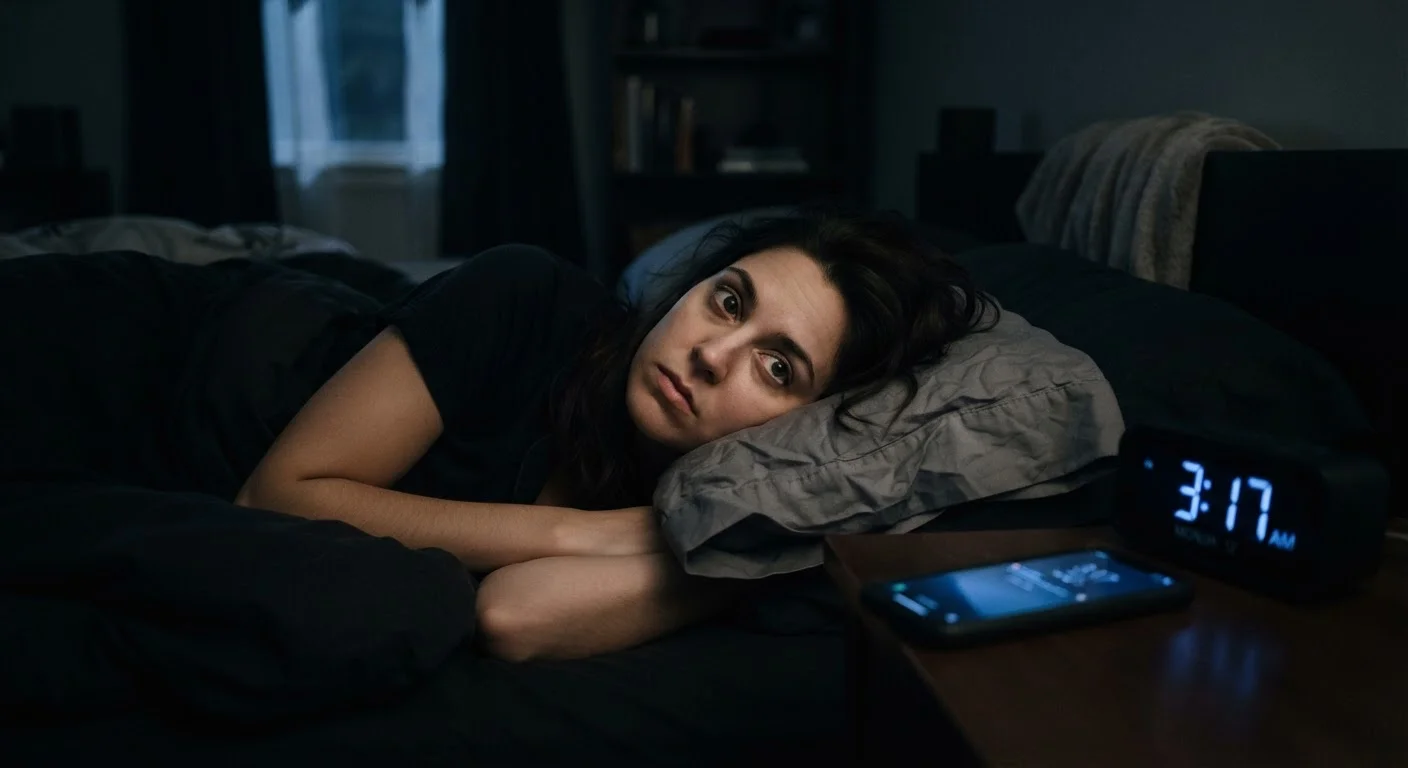
The Hidden Cost of Your Evening Routine
Most people who struggle with sleep focus on the obvious culprits: too much caffeine, a noisy bedroom, or an uncomfortable mattress. But a growing body of sleep research points to subtler, harder-to-spot behaviors in the hours before bed that gradually erode sleep quality without triggering obvious alarm bells.
These habits feel harmless — a late snack, a scroll through social media, a glass of wine to unwind — yet each one interferes with the physiological processes that govern how well you sleep. Understanding the mechanisms behind them is the first step toward meaningful change. For a broader look at how daytime patterns also play a role, see our guide to daily habits that undermine sleep.
Eating a large meal within two to three hours of bed
Digestion is an active metabolic process. When you eat a substantial meal close to bedtime, your body prioritizes digestion over the cooling and hormonal shifts that facilitate sleep onset. Research suggests late eating can reduce slow-wave (deep) sleep and increase the likelihood of acid reflux, which further fragments rest. Lighter evening meals, ideally finished two to three hours before your target bedtime, give your digestive system time to wind down alongside the rest of your body.
Late meals compete directly with the physiological cooling your body needs to initiate deep sleep.
Prolonged screen use in the hour before sleep
Screens emit short-wavelength blue light that suppresses melatonin — the hormone that signals nighttime to the brain. Studies have found that evening device use can delay melatonin onset by up to an hour or more, effectively shifting the body's internal clock later. Beyond light exposure, the cognitive engagement of scrolling, streaming, or messaging keeps the prefrontal cortex active when it should be downshifting. For a deeper look at how device habits shape overall wellbeing, see how screen time patterns shape your day.
Screen blue light can delay melatonin onset by over an hour, effectively pushing your body clock later.
Inconsistent bedtimes and wake times on weekends
The circadian rhythm — the roughly 24-hour internal clock governing sleep, metabolism, and hormone release — depends on predictable timing cues. Staying up significantly later on Friday and Saturday nights and then sleeping in creates a phenomenon researchers call "social jet lag." It mimics the physiological disruption of crossing time zones and can take several days to correct, meaning many people begin the workweek already running a sleep deficit.
Weekend schedule shifts create 'social jet lag' that can take days to resolve, compounding weekly sleep debt.
Using alcohol as a wind-down tool
Alcohol's sedative effect can make falling asleep feel easier, which is why many people reach for a drink to decompress. However, as the body metabolizes alcohol — typically in the second half of the night — it produces a rebound effect that increases arousal, reduces REM sleep, and elevates the likelihood of waking. Regular use can mask underlying sleep difficulties while quietly worsening overall sleep architecture over time.
Alcohol's sedative effect fades mid-night, triggering a rebound that fragments REM sleep and causes waking.
Checking work email or distressing news before bed
Cognitive and emotional stimulation in the hour before sleep activates the hypothalamic-pituitary-adrenal (HPA) axis, prompting a cortisol release that counteracts melatonin. Reading a stressful news story or responding to a late work message isn't just mentally engaging — it triggers a low-grade stress response that can take 30 to 60 minutes to fully dissipate. Establishing a firm "digital boundary" — no work or news content after a set time — is one of the more impactful evening changes supported by sleep researchers. See also why your evening routine shapes your health more than your morning one.
A single stressful message before bed can trigger a cortisol response that delays sleep onset by an hour.
Keeping the bedroom too warm
Core body temperature naturally drops by one to two degrees Fahrenheit as part of sleep initiation. A bedroom environment that is too warm — generally above 67–68°F (around 19–20°C) for most adults — interferes with this thermoregulatory process. Research consistently links cooler sleep environments to faster sleep onset and more consolidated sleep. Simple adjustments like lighter bedding, a fan, or lowering a thermostat in the evening can meaningfully support this natural cooling process.
A room that's even a few degrees too warm can slow the core temperature drop essential for sleep onset.
Reclaiming Rest One Habit at a Time
No single evening habit is likely to wreck your sleep on its own, but in combination — and repeated night after night — these patterns compound. The good news is that behavioral changes tend to produce measurable improvements relatively quickly, since the circadian system responds to consistent cues.
Start with one change, not six
Attempting to fix every evening habit simultaneously rarely works and can itself become a source of stress. Sleep researchers generally recommend introducing one behavioral change at a time and allowing at least one to two weeks to assess its impact. Consistency matters more than perfection — a small, sustainable shift beats a dramatic overhaul that lasts three nights.
Rather than overhauling your entire evening at once, consider identifying one or two of the habits above that resonate most with your current routine. Incremental adjustments tend to stick better than sweeping changes. If you want a structured starting point, our guide to building a wind-down routine offers a practical framework. For evidence-based habits with the strongest research backing, sleep hygiene habits that actually make a difference is a useful companion read.
This article is for general informational purposes only and does not constitute medical advice. If you experience persistent sleep difficulties, consult a qualified healthcare professional for personalized guidance.
The content on this site is for informational purposes only and is not a substitute for professional advice. Always consult a qualified professional for guidance specific to your situation.