

What Happens to Your Gut During an Antibiotic Course
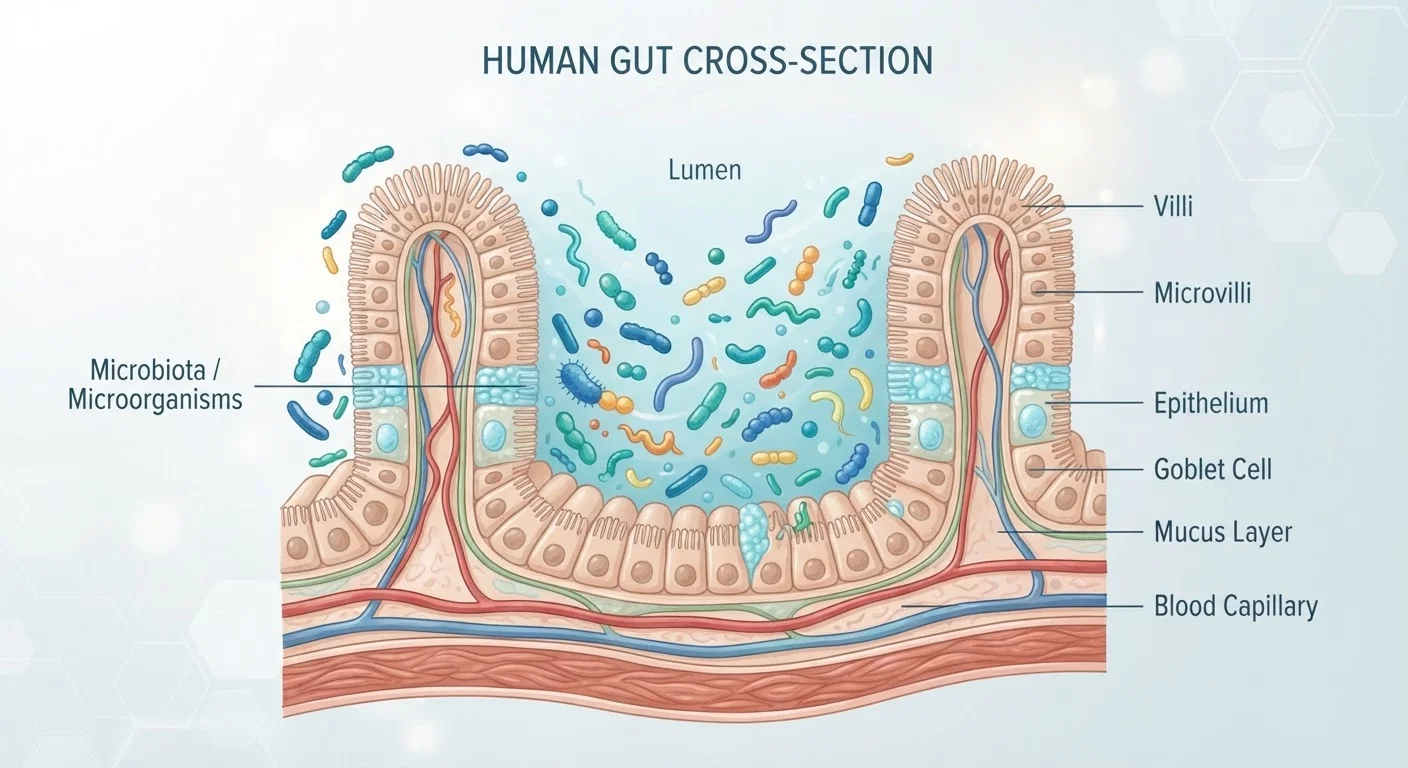
Your gut is home to trillions of microorganisms — bacteria, fungi, and viruses — collectively known as the gut microbiome. This community isn't passive. It regulates digestion, produces certain vitamins, trains immune cells, and helps prevent opportunistic pathogens from taking hold.
When you take antibiotics, these medications travel through your gastrointestinal tract and inevitably interact with resident microbes — not just the infection-causing ones. Many antibiotics cannot distinguish between harmful invaders and the beneficial bacteria your body relies on. As a result, populations of protective species — including strains like Lactobacillus and Bifidobacterium — can drop sharply during treatment.
This reduction in microbial diversity creates what researchers call dysbiosis: an imbalance that opens ecological space for less desirable microbes, including Clostridioides difficile (C. diff), which can proliferate rapidly when normal competition is suppressed. Antibiotic-associated diarrhea is among the most common consequences, affecting a significant proportion of people who complete a course.
5–35%
People experiencing antibiotic-associated diarrhea
Incidence varies widely depending on antibiotic type and individual factors, according to published gastroenterology literature.
~70%
Immune tissue located in the gastrointestinal tract
A widely cited estimate in immunology research highlighting the gut's central role in systemic immune function.
Up to 6 months
Time for microbiome diversity to recover post-antibiotics
Some studies have found that certain microbial strains may take months to return to pre-treatment levels, if at all.
The Gut-Immune Connection Under Stress
Much of the immune system — estimates suggest around 70% of immune tissue — resides in and around the gastrointestinal tract. Beneficial gut bacteria interact continuously with immune cells in the gut lining, helping calibrate responses to pathogens while preventing overreaction to harmless substances.
When the microbiome is disrupted, this ongoing communication is interrupted. Short-chain fatty acids (SCFAs) — compounds produced when gut bacteria ferment dietary fiber — decrease in production. SCFAs play a direct role in regulating inflammatory signaling and supporting the integrity of the gut lining. A temporary reduction can mean the gut lining becomes more permeable and immune regulation less precise.
This is why researchers and clinicians pay close attention to the gut-immune axis: treating an infection with antibiotics may be medically necessary, but understanding the downstream microbiome effects helps in planning recovery. For a broader view of how gut health shifts across life, see how the microbiome changes across your lifetime.
Timing Probiotic-Rich Foods Thoughtfully
If you choose to eat fermented or probiotic-rich foods during a course of antibiotics, consider spacing them a few hours apart from your antibiotic dose. This gives the live cultures a better chance of surviving transit before the next antibiotic dose is active. Discuss any specific supplement or dietary strategy with your prescribing clinician first.
Supporting Microbiome Recovery Through Diet
Once an antibiotic course ends, the microbiome typically begins to rebound — but pace and completeness vary. Research published in leading microbiology journals indicates that diet is one of the most accessible levers for supporting recovery.
Dietary fiber is particularly important. Fiber reaches the large intestine largely intact, where it serves as fuel — technically called a prebiotic substrate — for beneficial bacteria. Vegetables, legumes, fruit, oats, and whole grains are reliable sources. Research linking fiber, gut flora, and immune function supports prioritizing these foods during and after antibiotic treatment.
Fermented foods introduce live microbial cultures and have been consumed across cultures for centuries as part of traditional diets. Yogurt, kefir, miso, kimchi, and sauerkraut are among the most studied. For a global overview of these options, see fermented foods and what they do for your gut.
It's worth approaching post-antibiotic recovery with realistic expectations. Certain restrictive dietary habits adopted in the name of gut health can, counterintuitively, reduce the variety of microbes you're feeding. Explore how well-meaning gut health habits can sometimes backfire for context on balanced approaches.
This article is for informational purposes only and is not medical advice. Always consult a qualified healthcare professional before making decisions about antibiotic treatment, supplementation, or dietary changes, particularly if you have a chronic condition or are in a special population group such as pregnancy or older adulthood.
Frequently Asked Questions
Research suggests the microbiome begins recovering within days to weeks of finishing antibiotics. However, full restoration of pre-antibiotic diversity may take one to six months, and some studies indicate certain bacterial strains may not fully return. Individual factors like diet, stress, and overall health influence recovery speed.
Some evidence suggests specific probiotic strains may help reduce antibiotic-associated diarrhea. However, recommendations vary depending on the individual and the antibiotic involved. Speak with your healthcare provider before starting any probiotic supplement to determine whether it is appropriate for your situation.
Antibiotics don't directly suppress the immune system, but disrupting the gut microbiome — which plays a significant role in immune regulation — can indirectly affect immune readiness. This is generally temporary, resolving as the microbiome recovers. Maintaining a fiber-rich diet supports this process.
Foods rich in dietary fiber — such as vegetables, legumes, and whole grains — feed beneficial bacteria and may encourage their regrowth. Traditionally fermented foods like yogurt, kefir, and kimchi introduce live cultures that can contribute to microbial diversity. These are supportive strategies, not replacements for medical guidance.
Yes. Broad-spectrum antibiotics — those targeting a wide range of bacteria — tend to cause more extensive microbiome disruption than narrow-spectrum options. The duration of the course also matters; longer courses generally produce a greater impact on gut microbial diversity.
The content on this site is for informational purposes only and is not a substitute for professional advice. Always consult a qualified professional for guidance specific to your situation.