
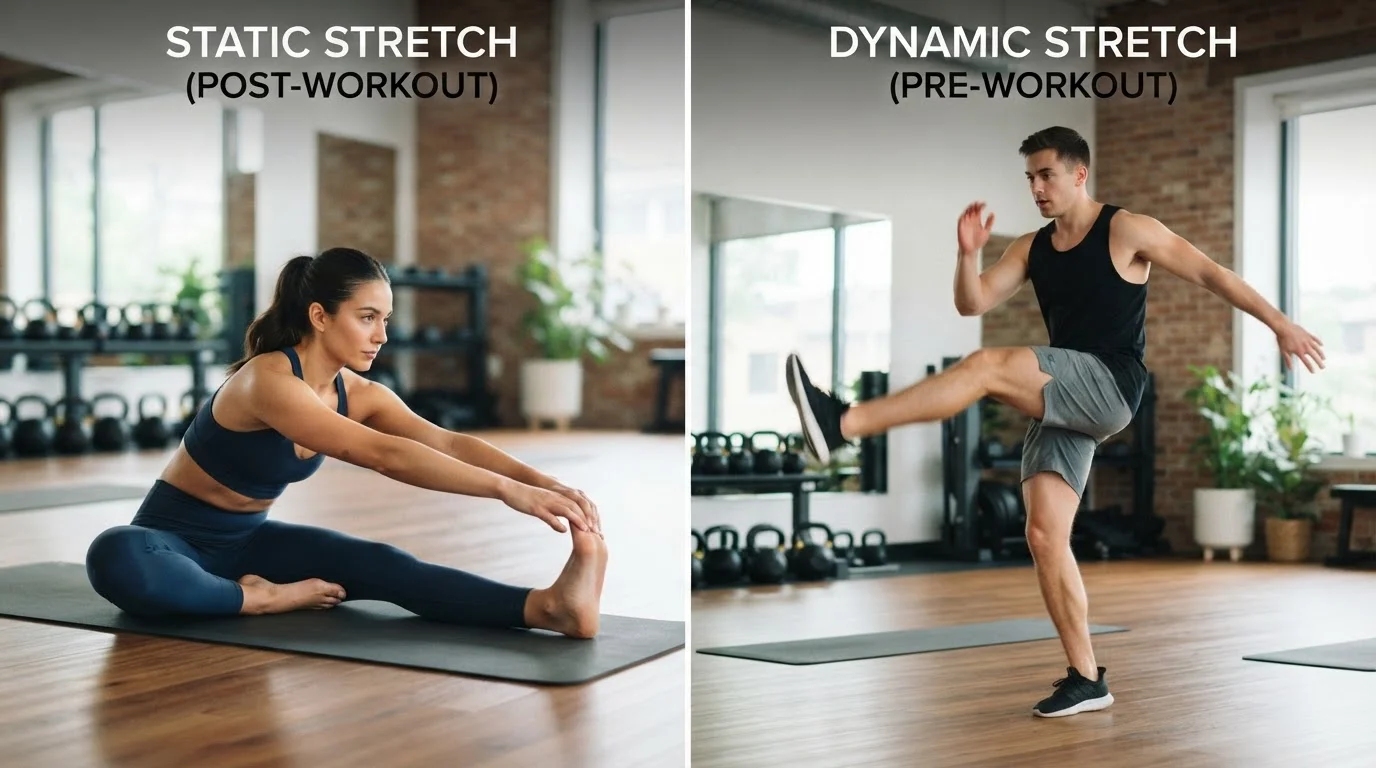
Option A
Static Stretching
The traditional hold-and-release flexibility technique.
Best for: Best for post-workout cool-downs, improving long-term flexibility, and calming the nervous system after exercise.
Option B
Dynamic Warm-Up
The movement-based pre-session preparation method.
Best for: Best for priming muscles and joints before training, sport, or any activity requiring power, speed, or strength.
What Each Approach Actually Does
Understanding the physiological difference between these two methods clarifies why timing matters so much.
Static stretching involves holding a muscle in a lengthened position for a sustained period — typically 20 to 60 seconds. This activates the muscle's stretch reflex inhibition over time, allowing the tissue to relax and lengthen. It is calming to the nervous system, reduces perceived muscle tension, and over repeated sessions can improve resting range of motion.
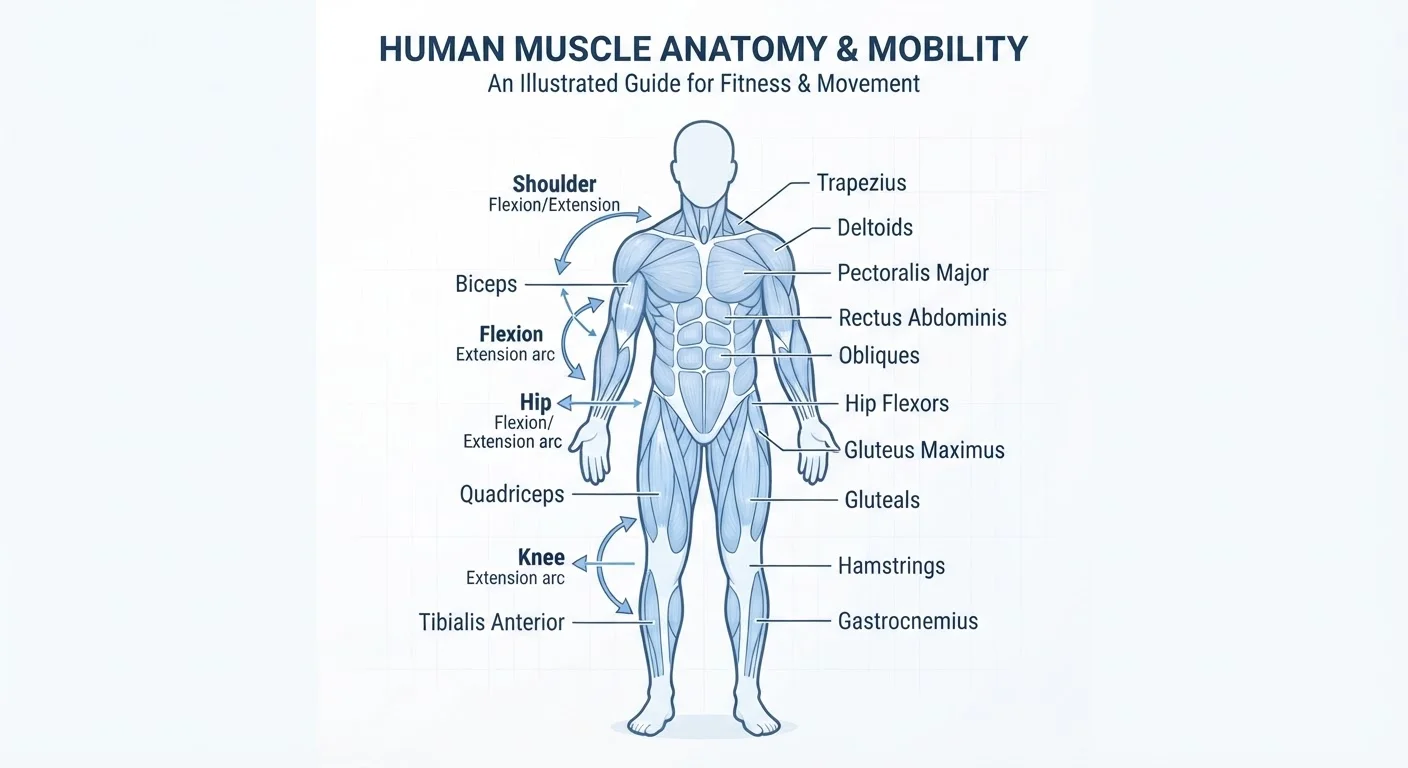
Dynamic warm-ups use controlled, purposeful movement — leg swings, hip circles, arm rotations, walking lunges — to gradually increase range of motion while simultaneously raising core body temperature, lubricating joints with synovial fluid, and activating the motor units relevant to the upcoming workout. Unlike ballistic stretching (which uses momentum and bounce), dynamic movements stay within your comfortable range and are deliberately paced.
The distinction matters because your body responds differently to each. Static holds signal the nervous system to stand down; dynamic movement signals it to prepare for action. As our guide to warming up and cooling down at home explains, the purpose of a warm-up phase is activation — not relaxation.
| Criterion | Static Stretching | Dynamic Warm-Up |
|---|---|---|
| Primary purpose | Improve flexibility, relax muscle tension | Activate muscles, raise readiness |
| Best timing | Post-workout cool-down | Pre-workout preparation |
| Effect on power output | May temporarily reduce if used pre-exercise | Supports or enhances power output |
| Nervous system effect | Calming, parasympathetic | Activating, sympathetic |
| Core temperature | Does not raise temperature | Progressively raises temperature |
| Movement specificity | Isolated muscle holds | Mimics upcoming exercise patterns |
| Injury risk when misused | Low to moderate if overdone pre-exercise | Low when movements are controlled |
The Research on Pre-Exercise Static Stretching
A meaningful body of research has examined what happens when static stretching precedes high-intensity exercise. The consistent finding is that prolonged static holds immediately before activity can temporarily decrease force production, power output, and even balance — a phenomenon sometimes called stretch-induced strength loss.
This does not mean static stretching is harmful. It means the timing is mismatched. Holding a hamstring stretch for 60 seconds right before sprinting is less effective preparation than performing dynamic leg swings that rehearse the same movement pattern at increasing intensity.
Shorter static holds — under 30 seconds — appear to carry less risk of performance reduction, particularly when followed by dynamic activity. Context also matters: a gentle yoga session or low-intensity walk carries fewer risks from pre-activity static stretching than a heavy squat session or sprint workout.
~5–8%
Average strength reduction from prolonged pre-exercise static stretching
A meta-analysis published in the Scandinavian Journal of Medicine & Science in Sports found acute strength decreases averaging roughly 5–8% following static stretches held longer than 60 seconds immediately before exercise.
30 sec
Hold duration threshold associated with lower performance impact
Research suggests static holds under 30 seconds carry a smaller performance-reduction risk, particularly when followed by sport-specific activation movement.
If you have been defaulting to a static-stretch-only warm-up out of habit, you may be unknowingly undermining your session — a pattern explored in our article on common habits that stall training progress.
Building a Practical Warm-Up and Cool-Down Protocol
The most effective approach is not choosing one method over the other — it is sequencing both correctly.
Before training: Dynamic warm-up (5–10 minutes)
- Start with low-intensity cardiovascular movement — marching in place, light jogging, or cycling — for 2 to 3 minutes to raise core temperature.
- Move into joint circles: ankles, hips, shoulders, and wrists in smooth, controlled rotations.
- Progress to movement-specific drills: if you are squatting, perform bodyweight squats with increasing depth; if you are running, add leg swings and high knees.
After training: Static stretching (5–10 minutes)
- Target the muscle groups that did the most work during the session.
- Hold each stretch for 20 to 45 seconds, breathing steadily throughout.
- Avoid forcing range of motion — work to the point of mild tension, not pain.
For those preparing for yoga or mat-based practice, a similar logic applies — see our pre-practice readiness checklist for session-specific guidance. You can also pair this framework with our movement readiness checklist to build a complete pre-session routine.
This article is for general informational purposes only and does not constitute medical or exercise advice. Consult a qualified healthcare or fitness professional before beginning any new exercise program, especially if you have an existing injury or health condition.
The content on this site is for informational purposes only and is not a substitute for professional advice. Always consult a qualified professional for guidance specific to your situation.