

When Nutrients Go Missing Without Warning
Most nutrition conversations orbit around macronutrients — carbs, proteins, and fats. While those matter enormously, the vitamins and minerals operating in the background are equally critical. The challenge is that micronutrient shortfalls rarely announce themselves with dramatic symptoms. Instead, they tend to surface as low-level fatigue, mood disruption, frequent illness, or poor concentration — signals that are easy to attribute to stress or poor sleep rather than diet.
National dietary surveys consistently reveal that large portions of the US population consume less than the recommended amounts of several key micronutrients. These gaps aren't always caused by poor food choices alone — food processing, soil depletion, limited food access, and certain health conditions all contribute. Understanding which nutrients are most commonly low, and which foods supply them most reliably, is foundational to building a genuinely nourishing diet. For a broader look at how daily choices accumulate into patterns, see how food choices stack up over time.
Vitamin D
Vitamin D is synthesized primarily through sun exposure, and indoor lifestyles mean many adults — particularly those in northern latitudes or with darker skin tones — produce far less than needed. Dietary sources are limited: fatty fish, egg yolks, and fortified foods like milk and some cereals provide modest amounts. Vitamin D plays essential roles in calcium absorption, immune regulation, and muscle function, and low levels have been associated with increased susceptibility to infection and impaired bone health. Because symptoms of insufficiency are non-specific, blood testing is the most reliable way to determine actual status.
Indoor lifestyles and limited sun exposure make vitamin D one of the most widespread micronutrient shortfalls in the US.
Iron
Iron deficiency is the most prevalent micronutrient deficiency globally and remains common in the US, particularly among women of reproductive age, adolescents, and endurance athletes. Heme iron from red meat and poultry is absorbed more efficiently than non-heme iron from plant sources such as lentils, spinach, and fortified cereals. Pairing plant-based iron sources with vitamin C-rich foods significantly improves absorption. Iron is essential for producing hemoglobin — the protein that transports oxygen in red blood cells — meaning even mild insufficiency can impair energy and cognitive function before anemia develops.
Even mild iron insufficiency can reduce energy and cognitive function well before clinical anemia appears.
Magnesium
Magnesium participates in over 300 enzymatic reactions, including energy production, protein synthesis, and nerve signaling. Despite this, surveys suggest a significant proportion of US adults fall short of recommended intake. Magnesium is found in leafy greens, nuts, seeds, whole grains, and legumes — all foods that feature less prominently in heavily processed diets. Low magnesium intake has been linked to muscle cramps, disrupted sleep, and increased stress reactivity. For a deeper look at this nutrient's wide-ranging roles, see why magnesium is frequently underestimated.
Magnesium drives over 300 enzymatic reactions, yet many adults consume less than recommended amounts daily.
Vitamin B12
Vitamin B12 is found almost exclusively in animal products — meat, fish, poultry, eggs, and dairy. This makes it a particular concern for people following vegetarian or vegan diets, and also for older adults, whose ability to absorb B12 from food often declines with age due to reduced stomach acid production. B12 is critical for neurological function, red blood cell formation, and DNA synthesis. Deficiency can develop slowly over years and may present as fatigue, tingling in the extremities, or mood disturbance. For a comprehensive breakdown of all B vitamins, B vitamins from start to finish covers each one's distinct role.
B12 deficiency can develop silently over years, with neurological symptoms sometimes appearing before blood markers shift.
Potassium
Despite being found abundantly in fruits, vegetables, legumes, and dairy, potassium is chronically under-consumed in Western dietary patterns dominated by processed foods. Potassium plays a central role in blood pressure regulation, fluid balance, and muscle contraction. The average American adult consumes significantly less than the Adequate Intake level. Low potassium intake over time is associated with elevated blood pressure risk, which in turn affects cardiovascular health. Whole foods — particularly bananas, potatoes, beans, avocados, and leafy greens — are the most effective way to meaningfully raise potassium intake.
Processed food dominance in Western diets leaves most adults well below potassium's recommended intake levels.
Iodine and Trace Minerals
Iodine is essential for thyroid hormone production, and thyroid hormones regulate metabolism, energy, and mood throughout the body. Iodine intake in the US has declined in recent decades as processed salt has partially replaced iodized salt and dairy consumption has shifted. Seafood and dairy remain the most reliable dietary sources. Alongside iodine, trace minerals like zinc and selenium — needed in small but precise amounts — are also commonly under-consumed. Zinc supports immune function and wound healing; selenium plays a key role in antioxidant defense. Learn more about zinc, selenium, and iodine and their outsized roles in everyday health. Thyroid-related symptoms linked to iodine status are explored further in Thyroid Health 101.
Declining iodized salt use and shifting food patterns have quietly eroded iodine intake for many US adults.
Bridging the Gaps Through Everyday Eating
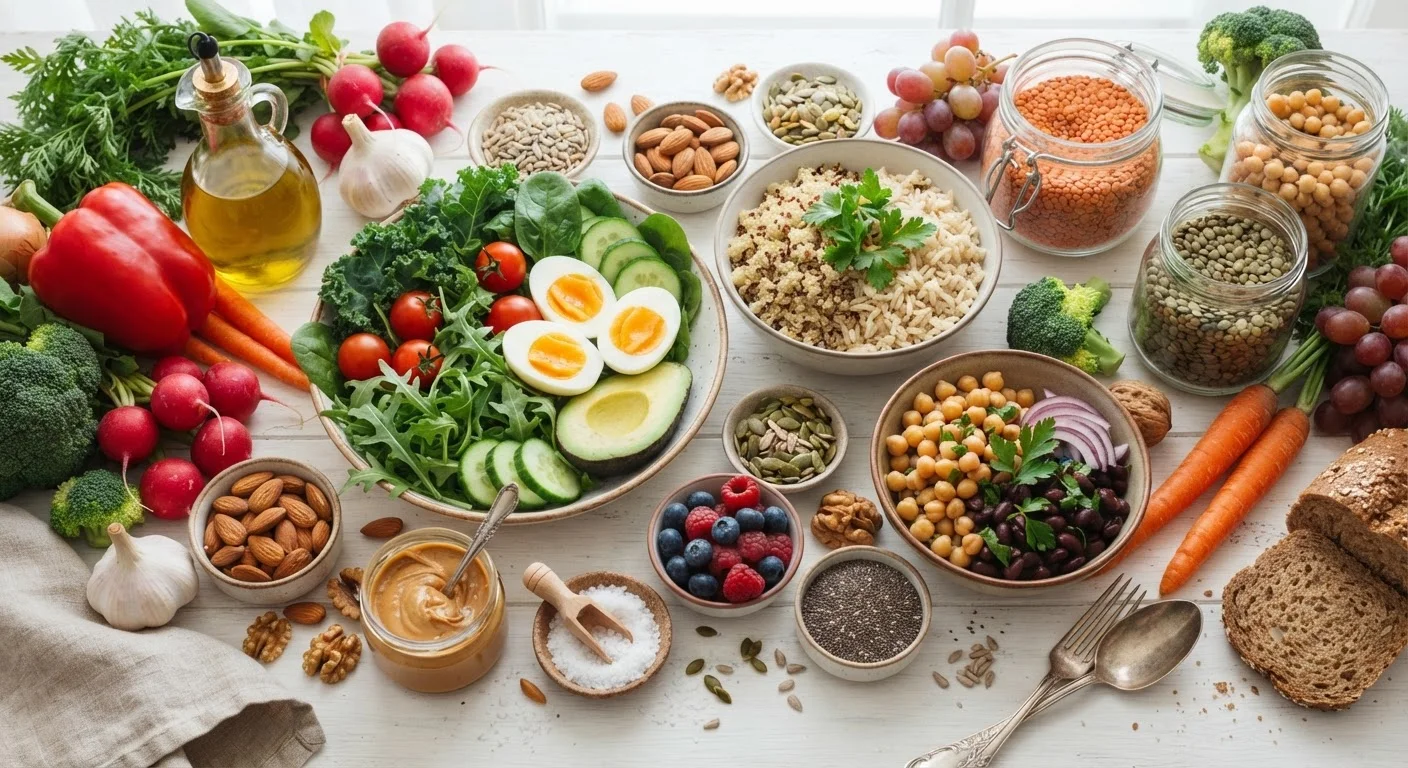
Addressing micronutrient gaps doesn't require an overhaul or a supplement cabinet. In most cases, shifting toward greater dietary variety and whole-food density is the most sustainable path forward. Prioritizing vegetables, legumes, whole grains, eggs, dairy or fortified alternatives, and seafood covers a remarkable range of nutritional needs. For a structured approach to putting this into practice, a nutrient-rich grocery framework can help translate these principles into a realistic weekly shop.
Diversity Is the Best Nutritional Insurance
No single food covers every micronutrient need. Rotating through a wide variety of vegetables, fruits, whole grains, legumes, nuts, seeds, and quality protein sources across the week provides the broadest coverage. Eating the same few foods repeatedly — even nutritious ones — creates natural blind spots in your micronutrient intake. Aim for variety over volume.
Supplementation may be appropriate in specific, clinically confirmed cases — but it should be guided by a healthcare provider, not used as a blanket solution. Blood tests and dietary assessments are the most reliable way to understand your individual micronutrient status. If you suspect gaps are affecting your health, consulting a registered dietitian or physician is the most important step you can take.
This article is for general informational and educational purposes only and does not constitute medical advice. Always consult a qualified healthcare professional before making changes to your diet or supplement regimen.
The content on this site is for informational purposes only and is not a substitute for professional advice. Always consult a qualified professional for guidance specific to your situation.