

Why Budget and Nutrition Don't Have to Conflict
A persistent myth frames healthy eating as inherently expensive — reserved for shoppers with access to specialty stores, premium organic labels, or trendy supplements. In practice, some of the most nutritionally complete foods available are also among the least costly per serving. The conflict between budget and nutrition is largely one of marketing, not biology.
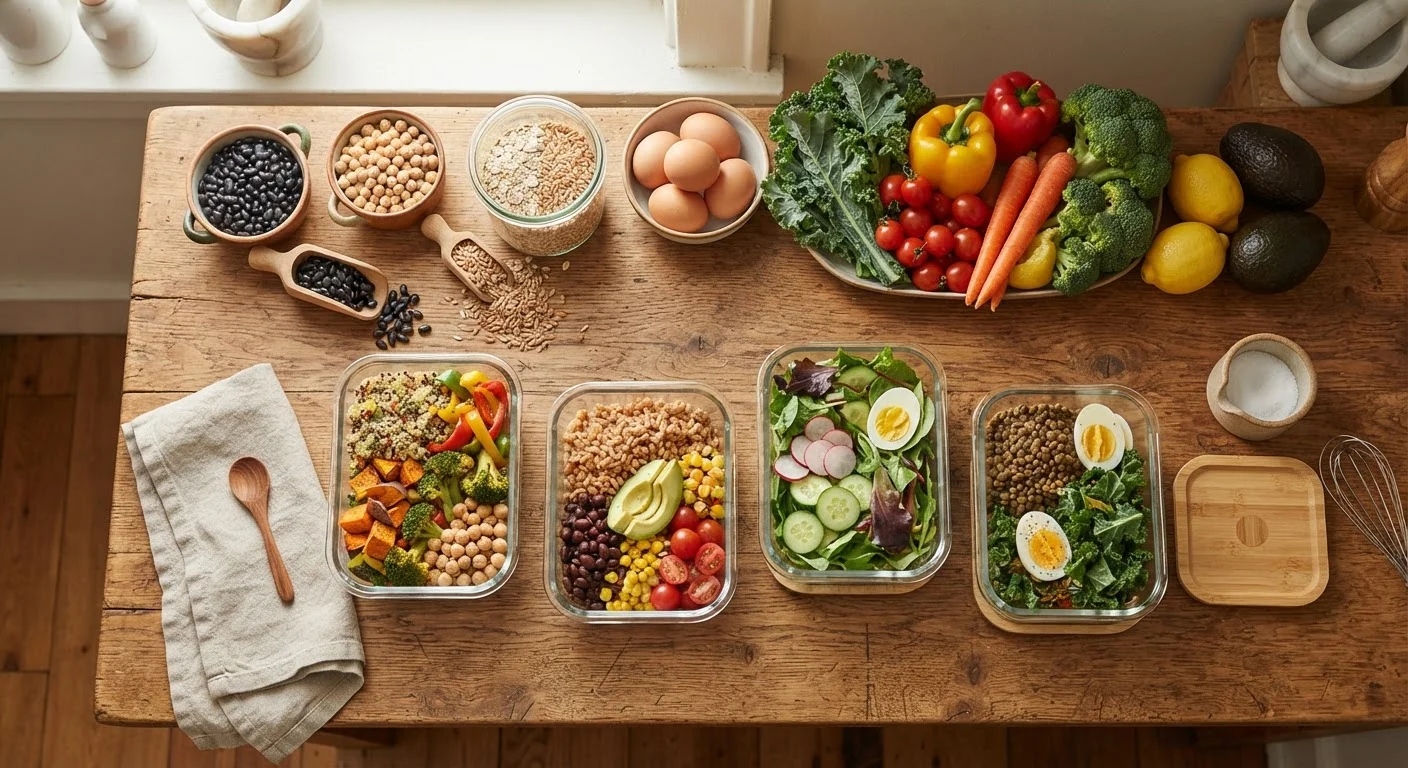
Dry lentils, canned beans, oats, eggs, cabbage, frozen spinach, and brown rice have anchored nutritious diets across cultures for generations — long before "wellness" became a consumer category. What these foods share is high nutrient density relative to cost: they deliver protein, fiber, complex carbohydrates, vitamins, and minerals without the premium attached to branded health products.
Understanding which principles actually drive nutritional quality — rather than which products are currently being promoted — is the foundation of eating well on any budget. For a structured look at how to put these principles into a weekly shopping context, see our nutrient-rich grocery list framework.
Core Practices for Nutritious, Affordable Eating
These evidence-grounded practices translate directly into everyday kitchen habits. None requires specialty equipment, unusual ingredients, or significant cooking experience.
Build meals around legumes as your primary protein source several times per week.
Dried or canned beans, lentils, and chickpeas provide complete amino acid profiles when paired with grains, along with substantial fiber and micronutrients including iron and folate. Per gram of protein, they are consistently among the most affordable options available in any US grocery store. Regular legume consumption is also associated with sustained satiety, which reduces snacking costs.
Choose frozen vegetables over fresh when fresh produce is out of season or out of budget.
Frozen vegetables are typically harvested at peak ripeness and flash-frozen, preserving the majority of their vitamin and mineral content. Studies comparing fresh and frozen produce have found comparable nutritional profiles for most vegetables. They also eliminate spoilage waste — a major hidden cost of fresh produce shopping.
Plan a weekly menu before shopping and build your list from that plan — not the other way around.
Unplanned grocery shopping consistently leads to impulse purchases, redundant items, and food that expires before use. The USDA estimates that US households discard roughly 30–40% of their food supply, much of it from poor planning. A simple weekly meal map anchored to what you already have at home dramatically reduces this waste.
Cook grains and legumes in large batches and refrigerate or freeze in portions.
Batch cooking eliminates the cost premium of convenience foods by making whole-food staples as quick to access as a packaged meal. It also reduces energy use, as cooking a large pot of grains once uses less fuel than preparing small portions repeatedly. This approach supports dietary consistency, which is itself a key factor in long-term nutritional quality.
Prioritize eggs as a versatile, complete-protein staple.
Eggs contain all essential amino acids alongside choline, vitamin D, B12, and selenium — a nutrient profile that rivals far more expensive animal proteins. They require minimal preparation time and adapt across meal types, making them one of the most practical high-nutrition foods for budget-conscious households.
Reduce reliance on ultra-processed convenience foods, even those marketed as healthy.
Ultra-processed products — including many branded snack bars, flavored oatmeal packets, and plant-based meat alternatives — carry significant cost markups relative to their whole-food equivalents. Beyond cost, they often contain added sugars, sodium, and refined starches that diminish nutritional quality. Redirecting that spending toward minimally processed staples improves both dietary quality and purchasing power.
It's also worth noting that well-intentioned shortcuts can quietly undermine both nutrition and budget. Our piece on common healthy eating mistakes covers how misreading labels or over-restricting food groups can backfire.
Start Today: High-Impact Actions
Sustainable change rarely requires a complete dietary overhaul. These immediate steps produce meaningful results without demanding a large time or financial investment.
If you're building broader habits around whole-food eating, building healthier eating habits from the ground up offers a practical starting framework that complements these quick wins.
This article is for general informational and educational purposes only and does not constitute medical or dietary advice. Individual nutritional needs vary. Please consult a qualified healthcare professional or registered dietitian before making significant changes to your diet, especially if you have an existing health condition.
The content on this site is for informational purposes only and is not a substitute for professional advice. Always consult a qualified professional for guidance specific to your situation.