

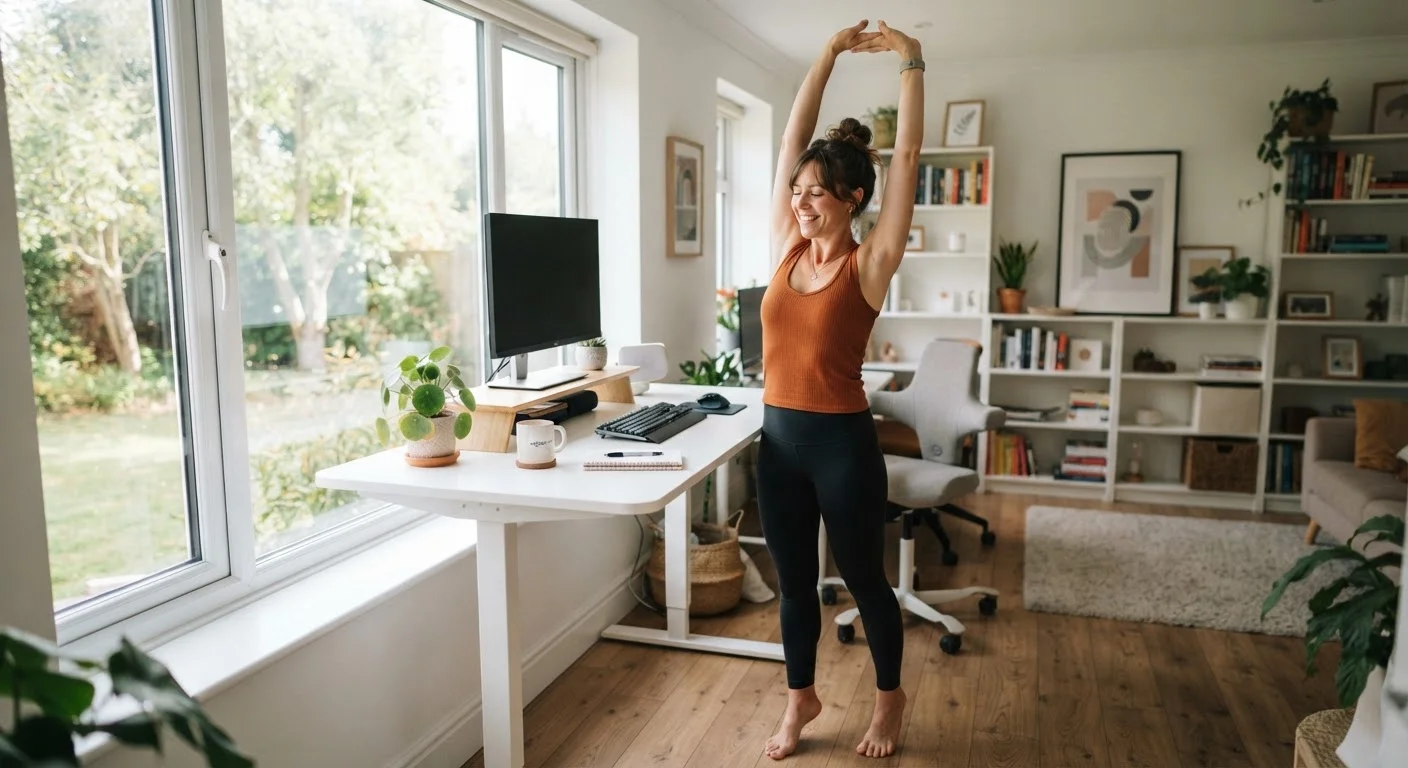
Where the Concept Comes From
The phrase 'movement snacks' gained traction in exercise physiology research during the 2010s as scientists began examining what happens to the body during prolonged uninterrupted sitting — and whether small activity breaks could offset some of those effects. Rather than focusing only on whether people met weekly exercise guidelines, researchers started asking a different question: does the pattern of daily movement matter, independent of total volume?
This line of inquiry sits comfortably alongside the broader study of non-exercise activity thermogenesis (NEAT), which examines how incidental movement influences energy use and overall health. Movement snacks are, in a sense, the intentional, structured cousin of NEAT — brief but deliberate interruptions to sitting rather than purely spontaneous fidgeting or walking.
Movement Snacks Are Not a Clinical Prescription
The research on movement snacks is promising but still evolving. Most published trials are small and relatively short-term, and effect sizes vary considerably across populations. The information here reflects the current state of published research and is intended for general education, not as personalized health guidance. If you have specific health concerns, speak with a qualified healthcare professional.
What the Research Currently Suggests
Studies on movement snacks have examined several health markers, with some of the most consistent findings centering on postprandial blood glucose — blood sugar levels after eating. A number of small trials have found that short walks of two to five minutes taken after meals are associated with a more modest rise and faster return to baseline blood sugar compared with sitting continuously. These findings have drawn attention from researchers studying metabolic health and type 2 diabetes risk.
Other research has looked at cardiovascular markers, mood, cognitive focus, and blood pressure. Results are generally encouraging but often come from small, short-duration trials, so scientists are cautious about drawing sweeping conclusions. The emerging picture is that breaking up sitting frequently may carry independent value — meaning it matters in addition to, not simply as a substitute for, planned exercise sessions. For a balanced view of how informal movement compares with scheduled workouts, see our look at structured exercise versus incidental movement.
~2–5 min
Post-meal walk duration studied for blood glucose
Several published trials have examined walks of this length taken after eating, finding associations with a more moderate postprandial glucose response.
9–10 hrs
Average daily sitting time for U.S. adults
Research published in journals such as the American Journal of Epidemiology has estimated that many U.S. adults spend the majority of their waking hours sedentary.
Every 30–60 min
Sitting break frequency studied in trials
Exercise science researchers have commonly tested interruption intervals in this range when evaluating the physiological effects of movement snacks on metabolic markers.
How to Build Movement Snacks Into a Real Day
The practical appeal of movement snacks is their low barrier to entry. No equipment, no gym membership, and no large time block required. The challenge, for most people, is habit formation — specifically, creating reliable triggers that prompt movement when it would otherwise be easy to stay seated.
Common strategies include setting a recurring timer every 45 to 60 minutes, using natural transition points (finishing a meeting, brewing coffee, ending a phone call) as cues to stand and move, and placing movement snacks at predictable moments like after lunch or before a second screen session begins. These micro-habits are explored in more depth in our guide on using everyday objects as movement opportunities.
If you are curious about how much sitting has quietly crept into your day, a movement audit can make the gaps visible and help you spot the best windows for inserting short activity bouts.
Start With One Anchor Habit
Rather than trying to add multiple movement snacks at once, identify one reliable daily trigger — like finishing lunch or ending your first morning meeting — and attach a two-minute movement break to it. Once that single snack feels automatic, add a second. Gradual layering tends to produce more durable habits than overhauling a routine all at once.
This article is for general informational and educational purposes only and does not constitute medical advice. Always consult a qualified healthcare professional before making changes to your physical activity routine, particularly if you have an existing health condition.
Frequently Asked Questions
Most research looks at bouts ranging from one to ten minutes. Even very short walks of two to three minutes after meals have been studied for their effects on blood glucose. There is no single universally agreed minimum, so any brief break from sitting counts.
Current evidence generally treats movement snacks as complementary to, rather than a substitute for, structured exercise. They address the harms of prolonged sitting, but longer aerobic and strength sessions still offer distinct benefits that short bouts alone may not fully replicate.
Almost any brief physical activity qualifies — brisk walking, climbing stairs, bodyweight squats, light stretching, or dancing in the kitchen. The key feature is that the activity is short, intentional, and breaks up a sedentary period.
Some research is encouraging, particularly around blood sugar and blood pressure, but people with chronic health conditions should consult a qualified healthcare professional before changing their activity patterns. General information here is not personalized medical advice.
There is no firmly established prescription. Researchers have tested a wide range — from three to eight breaks per day — with generally positive signals. A practical starting point is interrupting sitting every 30 to 60 minutes with a brief burst of movement.
The content on this site is for informational purposes only and is not a substitute for professional advice. Always consult a qualified professional for guidance specific to your situation.