

Why Breathing Is a Direct Line to the Nervous System
Unlike heart rate or digestion, breathing is unique among autonomic functions: it operates automatically, yet can be consciously controlled. This bidirectional relationship makes it one of the few non-pharmacological tools capable of directly shifting the balance between the sympathetic nervous system (the "fight-or-flight" branch) and the parasympathetic nervous system (the "rest-and-digest" branch).
The primary mechanism is vagal tone modulation. Slow, extended exhalations stimulate the vagus nerve — the longest cranial nerve in the body — which then releases acetylcholine, slowing the heart and signaling downstream organs to reduce arousal. A metric called heart rate variability (HRV) — the beat-to-beat fluctuation in heart rate — is widely used in research as a proxy for this vagal tone; multiple studies have found that slow-paced breathing at approximately six breaths per minute reliably increases HRV, indicating a healthier, more flexible autonomic response.
Separately, deliberate breathing interrupts the hypothalamic-pituitary-adrenal (HPA) axis feedback loop. Chronic stress keeps cortisol elevated; reducing sympathetic dominance through breathing appears to lower perceived stress and, in some study designs, measurable cortisol levels — though researchers note that effect sizes vary and are not uniform across populations.
For a broader look at how these mechanisms intersect with mindfulness, see the science behind the mind-body connection in yoga and meditation. Understanding these pathways can deepen your motivation to practice consistently.
This Is General Information, Not Medical Advice
The breathing techniques described here are general wellness practices, not treatments for any medical or psychiatric condition. If you experience chronic anxiety, panic disorder, cardiovascular symptoms, or respiratory conditions, consult a qualified healthcare professional before beginning any new breathwork practice. These exercises are not a substitute for diagnosis or therapy.
Tools and Preparation
You do not need specialized equipment to begin, but a few practical items make practice easier and more consistent, especially in the early weeks when technique is still being established.
Timer or Breathwork App
Tracks inhale, hold, and exhale intervals precisely so you can focus entirely on the breath.
Yoga Mat or Firm Chair
Provides a comfortable, stable surface that supports an upright posture for optimal diaphragm engagement.
Cushion or Folded Blanket
Elevates the hips to reduce lower back tension during seated breathing sessions.
Journal
Logging perceived stress levels before and after sessions helps track progress and motivation over time.
Choose a time of day when interruptions are unlikely. Many practitioners find that morning sessions set a calmer physiological baseline for the day, while evening sessions aid sleep onset. Both timings have shown benefit in observational research — consistency of timing matters more than the specific hour.
What you will need
Step-by-Step Instructions
The following sequence introduces techniques in order of increasing intensity, allowing the nervous system to adapt progressively. You do not need to complete all three techniques in a single session — especially when starting out, focusing on one at a time is more effective than rushing through all of them.
Set up your posture and environment
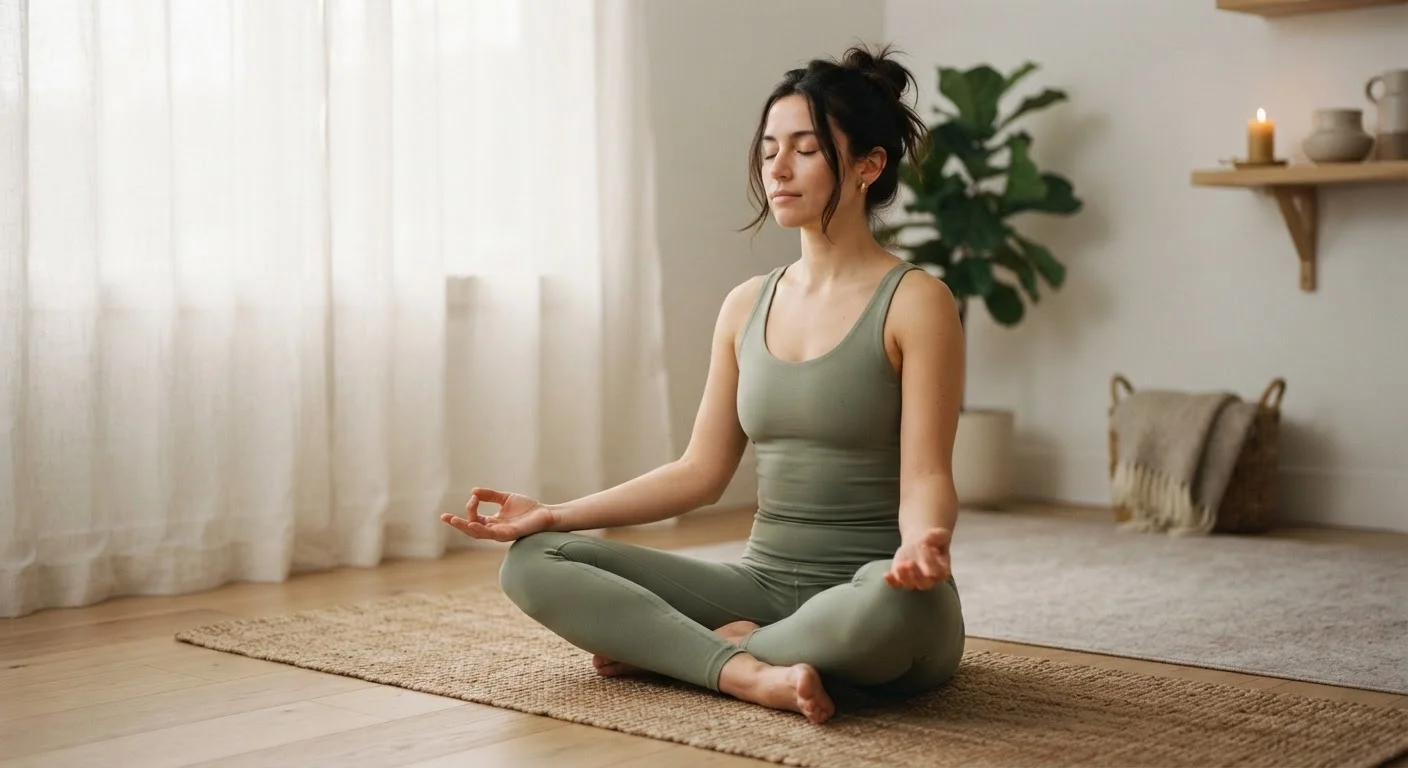
Sit upright in a chair with your feet flat on the floor, or cross-legged on a mat. Keep your spine tall but not rigid, and let your shoulders drop away from your ears. Place one hand on your chest and one on your lower belly. This hand placement is a diagnostic tool — your goal in most exercises is to feel the lower hand rise first and rise more than the upper hand, signaling true diaphragmatic engagement rather than shallow chest breathing.
Begin with diaphragmatic (belly) breathing
Inhale slowly through your nose for a count of four, directing the breath downward so your belly expands outward. Exhale fully through pursed lips or an open mouth for a count of six. The extended exhale is deliberate: longer exhalations increase vagal tone — the activity of the vagus nerve, which is the primary driver of the parasympathetic response. Aim for six to eight breaths per minute rather than a fixed count. Practice this foundational pattern for three to five minutes before moving to more structured techniques.
Practice box breathing (4-4-4-4)
Box breathing — also called four-square breathing — uses equal phases of inhale, hold, exhale, and hold. Breathe in for four counts, hold for four, exhale for four, hold for four, then repeat. This symmetrical pattern is valued in high-stress occupational settings (including military and emergency medicine) for its ability to quickly re-center attention and reduce autonomic arousal. The breath-holds train tolerance for carbon dioxide, which research links to lower baseline anxiety. Complete four to six full cycles, then pause and notice any shift in your body's tension level.
Attempt the 4-7-8 technique
The 4-7-8 pattern extends the hold and emphasizes a prolonged exhale. Inhale quietly through the nose for four counts, hold for seven, then exhale completely through the mouth — making a whooshing sound — for eight counts. The extended hold and exhale combination appears to amplify vagal activation and produce a notably calming effect in many practitioners. Start with two complete cycles in your first session; this technique is potent for beginners, and more is not necessarily better. The 4-7-8 pattern is particularly well-suited to pre-sleep use or acute stress moments.
Close with a one-minute body scan
After completing your chosen technique, return to natural breathing and spend sixty seconds mentally scanning from your scalp to your feet. Notice which areas feel softer, warmer, or less held than before. This brief mindful closure reinforces the parasympathetic state you have cultivated and helps anchor the association between the breathing practice and physical calm — strengthening the conditioned relaxation response over time.
Build a Consistent Practice Gradually
Start with just one technique and practice it for five minutes daily before adding others. Research on breathwork suggests that frequency matters more than session length when building the nervous system's capacity to self-regulate. A short daily practice is more effective than infrequent longer sessions.
Integrating Breathwork Into Daily Life
The greatest evidence-based benefit from breathwork accrues through repetition over time, not from any single session. A 2017 study published in Frontiers in Psychology found that participants who practiced slow-paced breathing daily for eight weeks showed significantly greater improvements in self-reported stress and HRV compared to those who practiced intermittently — though individual results vary widely.
Practical integration points include: using box breathing before high-stakes conversations or presentations; applying the 4-7-8 technique when you wake in the night with racing thoughts; and using diaphragmatic breathing as a reset during work breaks. Even two to three minutes of deliberate slow breathing during these windows can interrupt the stress cascade before it escalates.
For readers interested in combining these practices with meditation, meditation for emotional regulation explores how mindfulness-based approaches interact with the same nervous system pathways and what the current evidence supports. Those seeking a side-by-side comparison of breathwork approaches may also find value in comparing breathwork techniques for anxiety.
Lightheadedness Is a Common Early Sign
Beginners sometimes feel dizzy or tingling when altering their breathing rhythm — this is usually caused by a temporary shift in carbon dioxide levels. If you feel faint, return to normal breathing immediately and rest. Never practice these exercises while driving, operating machinery, or in water.
This article is for general informational and educational purposes only and does not constitute medical advice. Always consult a qualified healthcare professional before making changes to your health routine, particularly if you have a diagnosed condition or are taking medication.
The content on this site is for informational purposes only and is not a substitute for professional advice. Always consult a qualified professional for guidance specific to your situation.