

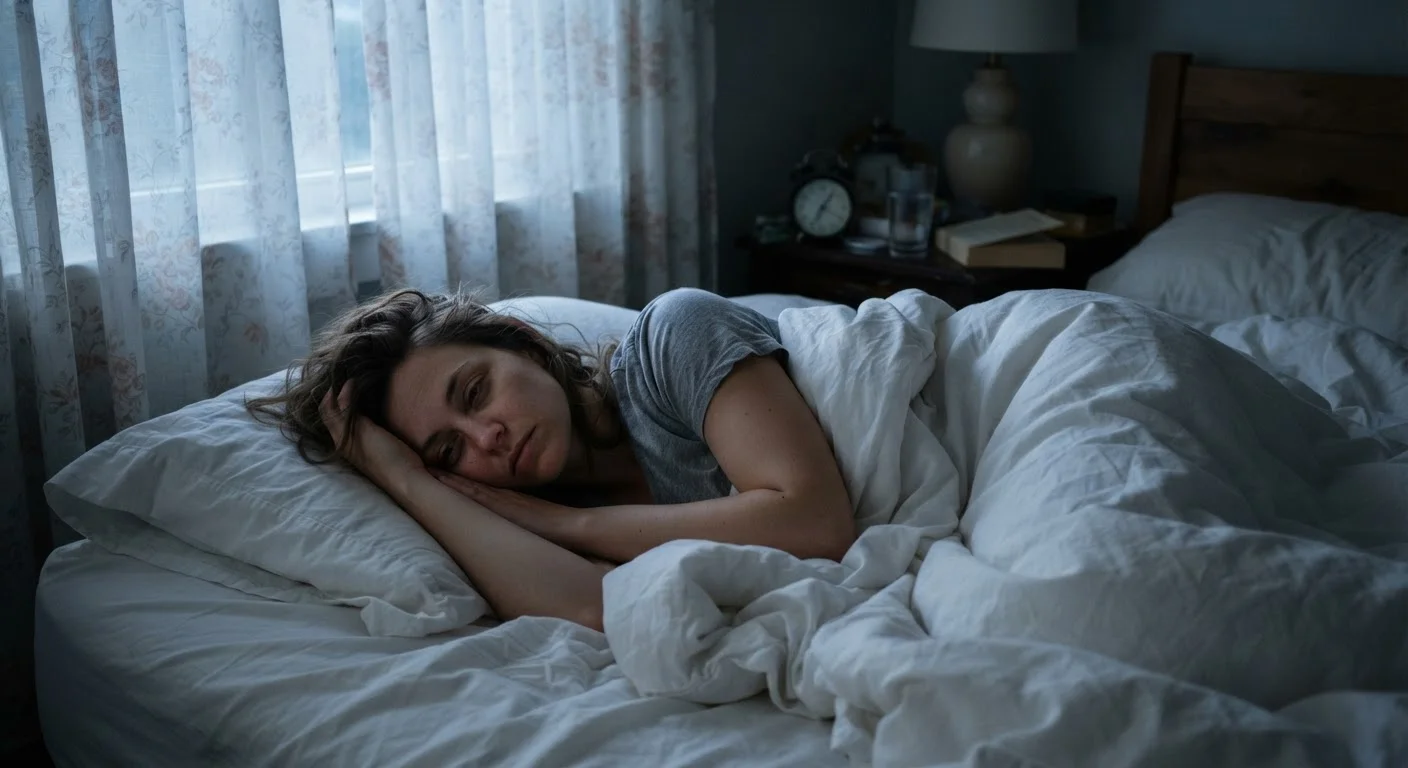
Why Eight Hours Isn't Always Enough
The widespread advice to get eight hours of sleep per night is well-founded — but it addresses only one dimension of sleep health. Duration tells you how long you were in bed; it says nothing about the architecture of that sleep. Restorative rest depends on cycling through distinct stages: light sleep, deep slow-wave sleep, and REM (rapid eye movement) sleep. Each serves a different biological function, from cellular repair to memory consolidation.
When that architecture is disrupted — by noise, light, substances, or physiological conditions — you can spend eight hours in bed while your brain never completes the deep or REM cycles it needs. The result is familiar: the alarm sounds and you feel as though you haven't slept at all.
~50–70M
Americans affected by chronic sleep disorders
The CDC estimates that tens of millions of U.S. adults experience chronic sleep and wakefulness disorders, making poor sleep quality a significant public health issue.
5–6 hrs
Caffeine half-life in average adults
Pharmacological data shows caffeine's half-life ranges from roughly five to six hours, meaning afternoon consumption meaningfully overlaps with bedtime in most people.
~25%
Estimated prevalence of obstructive sleep apnea
Research published in sleep medicine literature suggests obstructive sleep apnea affects roughly one in four middle-aged adults, many of whom remain undiagnosed.
Common Mistakes That Undermine Sleep Quality
Understanding what fragments restorative sleep is the first step toward fixing it. The errors below are among the most frequently overlooked reasons people wake up exhausted — and most are addressable through straightforward behavioral changes.
Counting hours in bed rather than hours of actual sleep.
Why it happens: Most people equate time spent lying down with sleep time, overlooking the periods spent awake, restless, or in very light sleep stages.
Using screens — phones, tablets, televisions — within an hour of bedtime.
Why it happens: Screens are habitual and accessible, and many people underestimate the stimulating effect of blue-wavelength light on melatonin suppression.
Keeping an irregular sleep schedule on weekends, known as social jet lag.
Why it happens: Staying up late and sleeping in on weekends feels like a reward after a long week, but it shifts the body's circadian rhythm in the same way a transatlantic flight does.
Ignoring signs of undiagnosed sleep apnea.
Why it happens: Sleep apnea causes breathing interruptions during sleep, but since these happen unconsciously, many people are unaware they have the condition and attribute their fatigue to other causes.
Relying on caffeine throughout the day to manage fatigue, which then disrupts night sleep.
Why it happens: Caffeine has a half-life of approximately five to six hours in most adults, meaning an afternoon coffee still has measurable effects on the brain at bedtime.
This article is for general informational purposes only and does not constitute medical advice. Always consult a qualified healthcare professional regarding symptoms, diagnoses, or treatment decisions.
Building a Sleep Environment That Supports Recovery
Beyond correcting the mistakes above, the physical environment where you sleep plays a measurable role in sleep quality. Research in sleep science points to three key variables: temperature, darkness, and sound. A slightly cool room — generally considered somewhere in the mid-60s Fahrenheit for most adults — supports the natural drop in core body temperature that accompanies sleep onset. Blackout curtains or a sleep mask eliminate light that can trigger cortisol release, and consistent background noise levels (or white noise) reduce the brain's arousal response to sudden sounds.
Persistent Fatigue May Need Professional Evaluation
If you consistently wake exhausted despite adequate sleep duration and good sleep hygiene, this may signal an underlying condition such as obstructive sleep apnea, thyroid dysfunction, or anemia. These conditions require diagnosis and management by a qualified healthcare provider. Do not attempt to self-diagnose or self-treat ongoing fatigue.
These environmental adjustments work in concert with behavioral consistency. No single change resolves chronic fatigue overnight, but systematic improvements to both habits and environment compound over time into meaningfully better sleep quality and morning energy.
The content on this site is for informational purposes only and is not a substitute for professional advice. Always consult a qualified professional for guidance specific to your situation.