

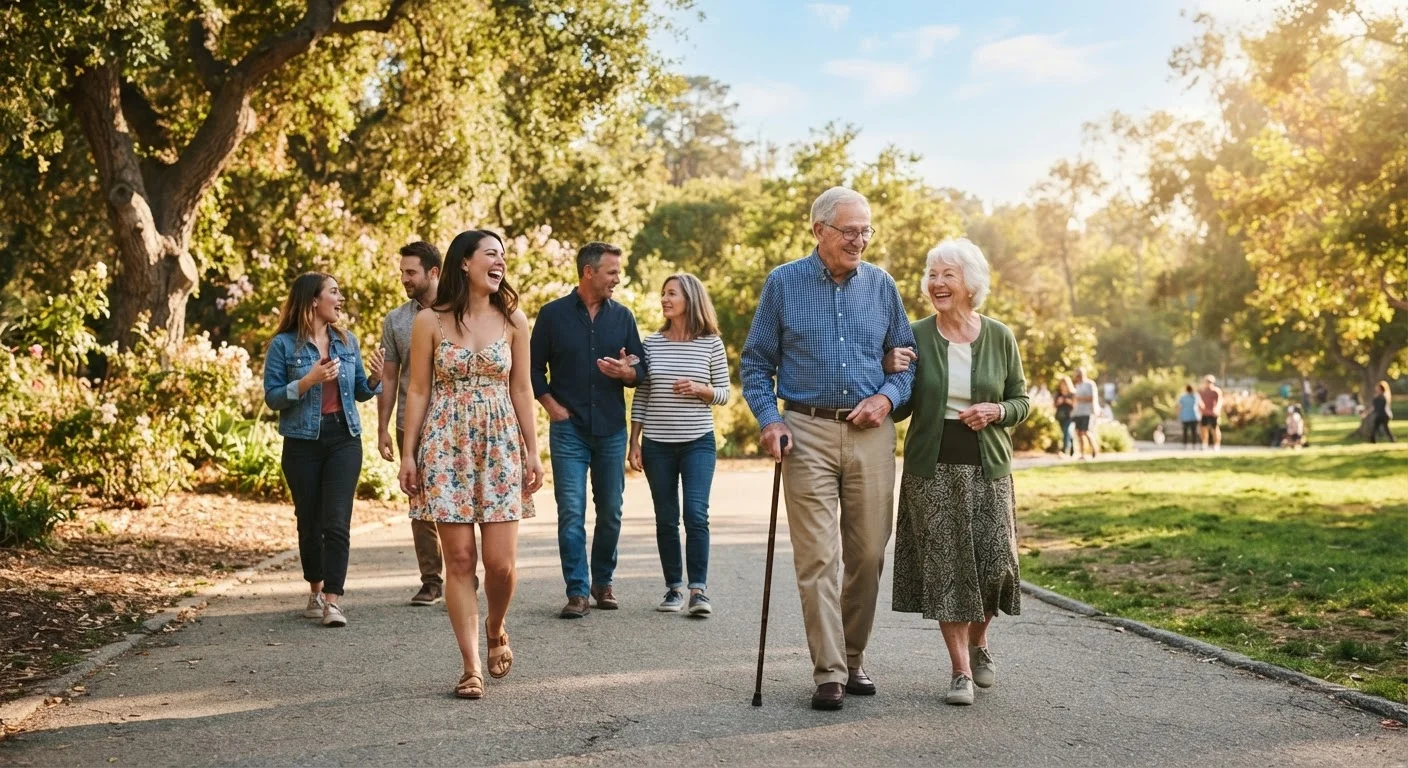
Why Movement Needs Change With Age
The human body is not a static machine. From the moment we enter adulthood, physiological processes — muscle protein synthesis, hormonal output, bone remodeling, and connective tissue repair — gradually shift in rate and efficiency. These changes directly influence how the body responds to physical activity and how much recovery it requires afterward.
Understanding these shifts isn't cause for alarm. It's an invitation to move more intelligently. Research consistently shows that regular movement at any age delivers measurable benefits for cardiovascular health, cognitive function, mood regulation, and independence. The goal isn't to fight aging — it's to align your movement habits with what your body genuinely needs at each stage.
~3–8%
Muscle mass lost per decade after age 30
According to research published in journals on aging physiology, sarcopenia accelerates without resistance-based activity.
150 min
Weekly moderate activity recommended for adults
The U.S. Department of Health and Human Services Physical Activity Guidelines for Americans recommend at least 150 minutes of moderate-intensity aerobic activity per week for most adults.
36 million
Falls among older adults annually in the U.S.
The CDC estimates approximately 36 million falls occur among adults aged 65 and older each year in the United States.
This guide walks through each life decade with practical, evidence-informed perspectives on natural movement — the kind embedded in daily routines, not just gym sessions.
Your 20s and 30s: Building a Foundation
These are peak years for muscle mass and bone density accumulation. The body responds robustly to training stimuli, recovers relatively quickly, and tolerates higher training volumes. This is an ideal window to build strength, establish cardiovascular fitness, and develop movement habits that will pay dividends for decades.
Yet this is also when sedentary work patterns often take hold. Long desk hours, car commutes, and screen-heavy leisure time can quietly erode posture and reduce baseline activity levels — even in people who exercise regularly.
Treat your 20s and 30s as a movement savings account — invest in diverse physical skills now, including mobility, balance, and strength, not just cardiovascular fitness.
A broad movement foundation created early reduces injury risk and makes it far easier to maintain activity as physiological changes begin in midlife.
In your 40s and 50s, prioritize recovery as seriously as the workout itself — this means adequate sleep, hydration, and rest days between strength sessions.
Recovery capacity measurably declines with age; under-recovered muscles are more vulnerable to strain and the cumulative fatigue that discourages continued exercise.
Natural movement strategies for this decade include taking the stairs by default, walking or cycling for short errands, and incorporating mobility work (gentle dynamic stretching and joint rotations) into morning or evening routines. Building these micro-habits early creates a movement identity that persists when life gets busier. Explore strength and flexibility practices that complement daily active living from an early age.
Your 40s and 50s: Preserving What You've Built
Around the mid-30s and accelerating through the 40s and 50s, sarcopenia — the gradual loss of skeletal muscle — begins to become a meaningful factor. Hormonal shifts (including declining estrogen and testosterone) affect muscle maintenance, fat distribution, and bone density. Joint cartilage may show early signs of wear, and recovery windows lengthen.
This does not mean slowing down. It means shifting priorities. Resistance-based movement becomes particularly important during this period to counteract muscle loss. Even bodyweight exercises performed consistently — squats, lunges, push-ups — help maintain functional strength. Low-impact aerobic activity like brisk walking, swimming, or cycling supports cardiovascular health without excessive joint stress.
Don't Skip Strength Training in Midlife
Many adults in their 40s and 50s gravitate exclusively toward cardio, but neglecting resistance-based movement accelerates muscle and bone loss during a critical window. Adding even two sessions of bodyweight or light resistance exercise per week can help maintain functional strength. Consult a fitness professional or physical therapist if you're unsure where to start safely.
Flexibility and balance training, often undervalued at younger ages, deserve deliberate attention here. Sleep quality also changes during these decades, and adequate rest remains essential for muscle repair and energy regulation.
Your 60s and Beyond: Moving for Longevity
Physical activity in later life is one of the most researched and consistently supported interventions for healthy aging. Falls are a leading cause of injury-related hospitalization among older adults in the U.S., making balance and strength training especially consequential. Regular movement also supports cognitive resilience, reduces the risk of chronic disease progression, and preserves independence.
Natural movement at this stage looks like intentional daily walks, gardening, gentle yoga or tai chi, and standing or light activity interspersed throughout the day. Structured exercise remains valuable, but the emphasis shifts toward consistency over intensity. Functional movements — those mimicking real-life tasks like rising from a chair, carrying groceries, or reaching overhead — deserve priority.
For those managing health conditions, movement is often still appropriate and beneficial, though personalization is essential. See our guidance on active living with a chronic condition for key considerations around safe daily movement.
Weaving Natural Movement Into Every Decade
Across all age groups, research supports the value of breaking up prolonged sitting, accumulating movement in small increments throughout the day, and treating physical activity as a lifestyle behavior rather than a discrete task. A ten-minute walk after meals, active household chores, standing while on phone calls — these micro-movements add up meaningfully over time.
The connective thread across every decade is intentionality. Movement habits formed early are easier to maintain and adapt. Habits started later in life still deliver real benefits. The body responds to demand at any age — it simply responds differently, and respecting that difference is what makes movement sustainable.
If you're navigating health conditions alongside these changes, the common conditions hub offers additional context on natural approaches to everyday health management. Whatever your decade, the best movement practice is one that fits your life today — and evolves as that life changes.
This article is for general informational purposes only and does not constitute medical advice. Always consult a qualified healthcare professional before making changes to your physical activity routine, especially if you have an existing health condition or injury.
The content on this site is for informational purposes only and is not a substitute for professional advice. Always consult a qualified professional for guidance specific to your situation.